Supplying the outfits that work around Reno
Reno grew, and the material followed
The Truckee Meadows stopped being a quiet corner of the high desert a while ago. Warehouses filled the corridor between Reno and Sparks. Data centers landed east of town at a scale nobody here planned for. The mines north and east of us went deeper, and lithium work pushed into the basins past them.
Every bit of that is material on the move. Ore off the bench, aggregate into a foundation, spoil out of a trench, product onto a truck. Each trip wants a container rated for whatever is riding inside it.
We sell the bags that hold it. That is the entire job, and it is why we set up where we did instead of somewhere flatter, softer and gentler on equipment.
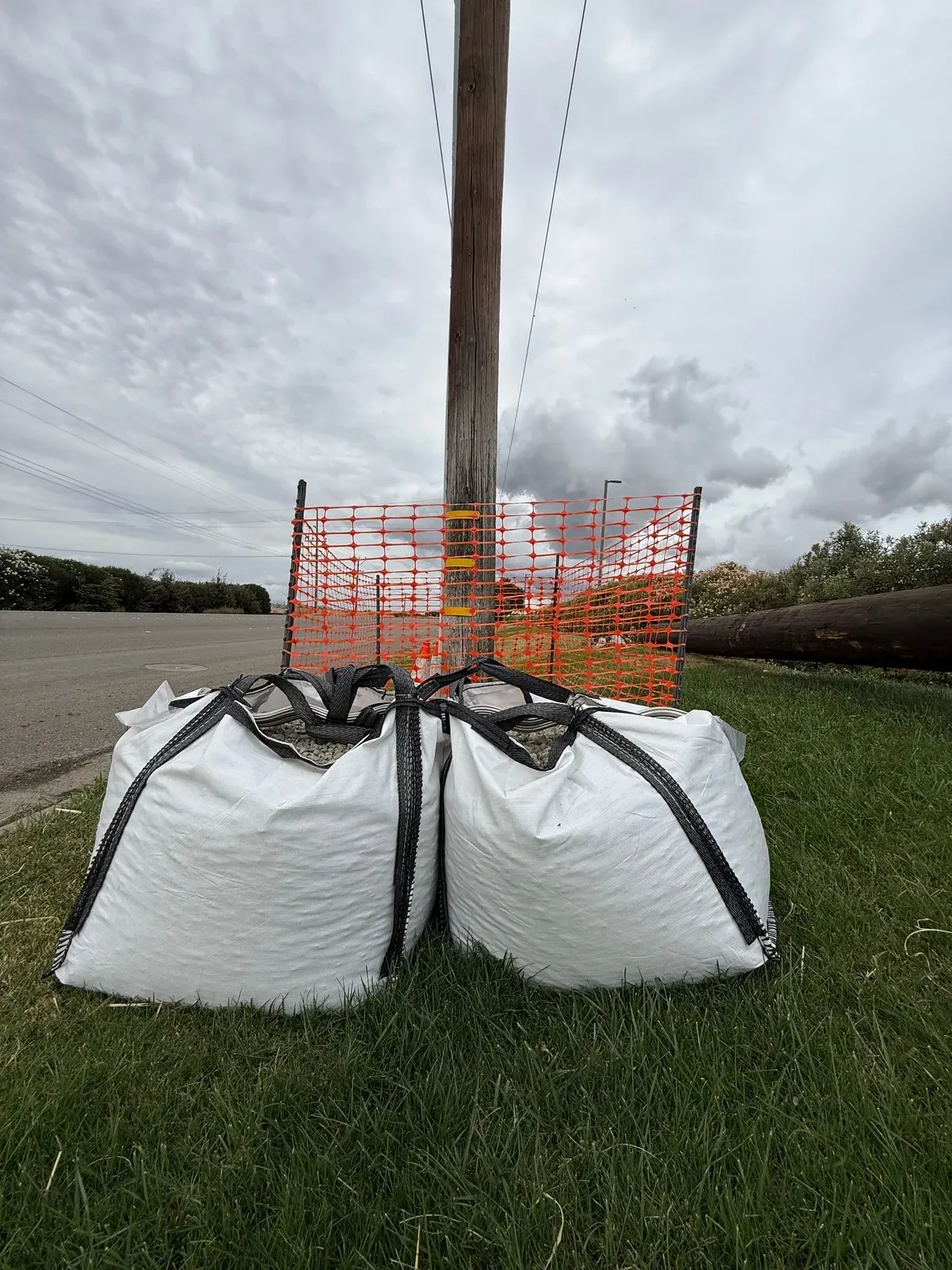
The spec is everything
Any supplier can put a bulk bag on a truck. Earning the order takes working out what your material actually demands, then saying so when the cheaper option will not hold it.
Three questions open every quote: what are you loading, what happens to the bag once it is empty, and what the load weighs. Those set fabric weight, seam build, safety factor and closure. Size gets settled last.
None of that is clever. It is simply where most failures begin. Size a bag by volume when weight is what counts, and the load creeps over its rated limit while there is plainly room left at the top, so nobody stops shovelling. Three or four picks later the thing gives way and everybody blames the bag. The mistake was made at the order desk, weeks before anybody touched it. Our range is sorted by that difference instead of by dimensions.
Honest answers, even the costly ones
When your load travels as dangerous goods, nothing short of a UN-certified package will do — tested and marked. We price it that way and never wave a cheaper bag at you instead.
When it does not, we will not push certification onto you that nothing about the job requires. Marking costs real money on every single unit, and the call belongs to how your material is classified on paper, not to whichever box happens to sound the most cautious.
And where combustible dust is in play, Type C only works if the bonding strap reaches a proper earth point every time somebody fills one — each shift, each operator, no exceptions. If your site cannot promise that, Type C does not belong there, even though the Type D that does costs you more. A Type C left unbonded beats an ordinary bag for sheer hazard, which is the worst money anyone ever saves.
Those are the terms we want to trade on, and the reason we would sooner talk it through than mail out a price list. A price list has never asked anybody the three questions.
Reno first
Reno and Sparks to begin with, then Carson City, Fernley and the job sites scattered between them that never made anybody's map.
We run this out of Reno and know the ground it stands on, which is a choice rather than a ceiling we have not grown through — the truck goes past the Truckee Meadows when work asks for it. On a remote face, the trouble when a bag lets go is the drive back. The work these bags end up in sits hours from any counter, so we would sooner have the spec right than be nearby.