Which Type of Bag do I need?
Inventory Guide — check the specifications
Our inventory guide is organised by dimensions and shows you useful information on the size of bag when you click the link under each bag. Call us for more information on the bag that looks like what you are looking for.
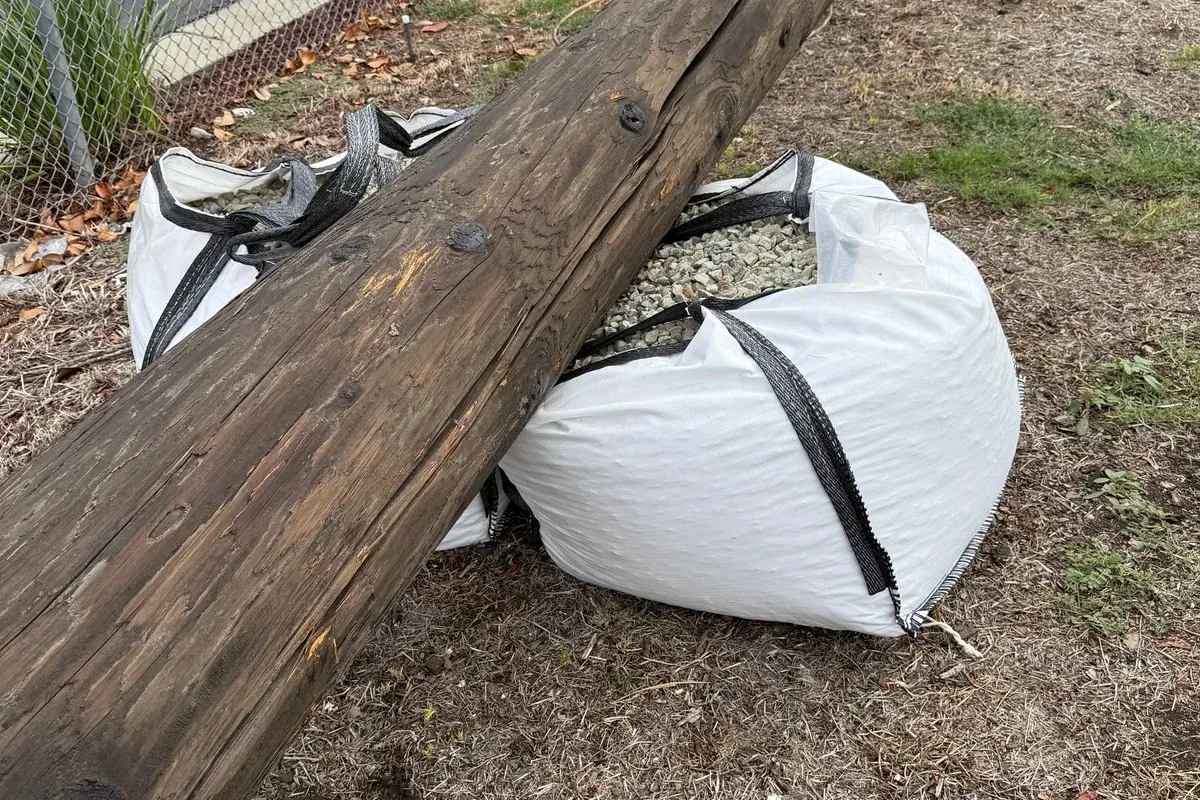
Gravel Bags
Gravel bags move heavy material. These are woven polypropylene bulk bags specified for dense aggregate — Stevedore lift loops, reinforced seams and a safety factor rated for the load.
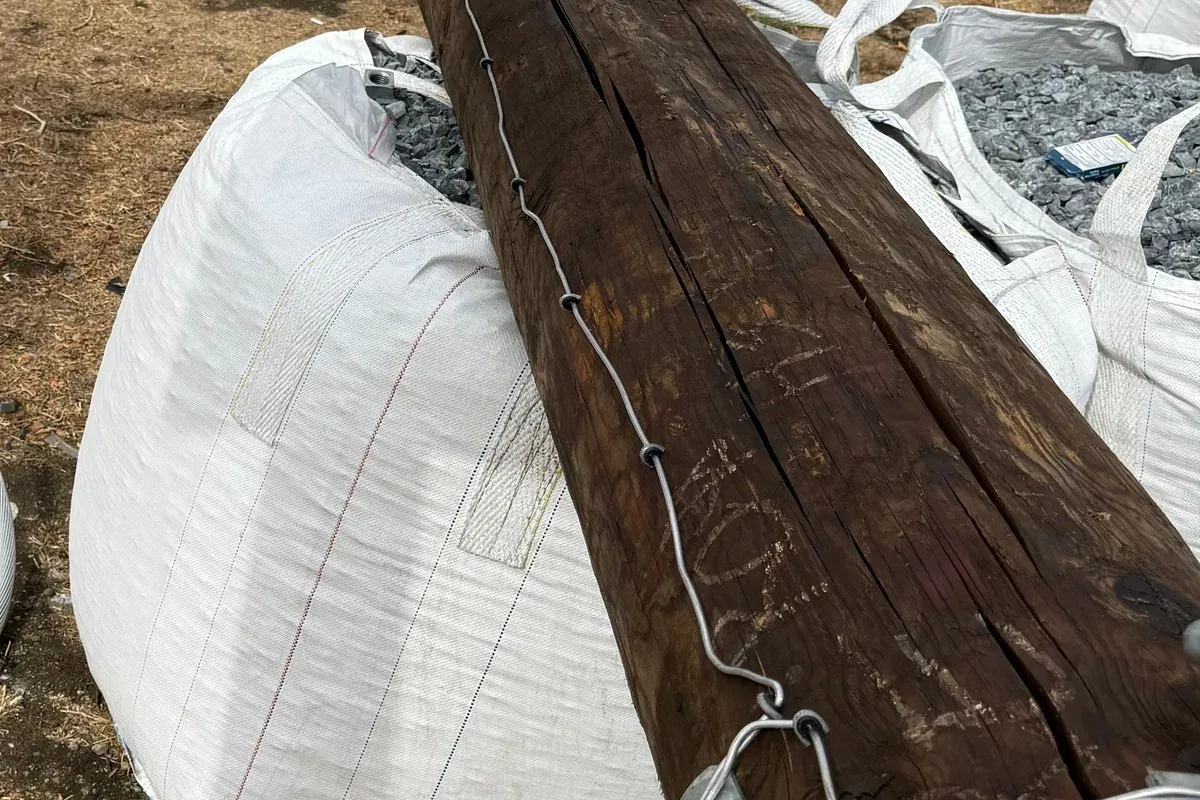
Rock Bags
These are heavy duty work bulk bag FIBCs specified against puncture and abrasion — for riprap, blast rock, armour stone and anything with an edge on it.
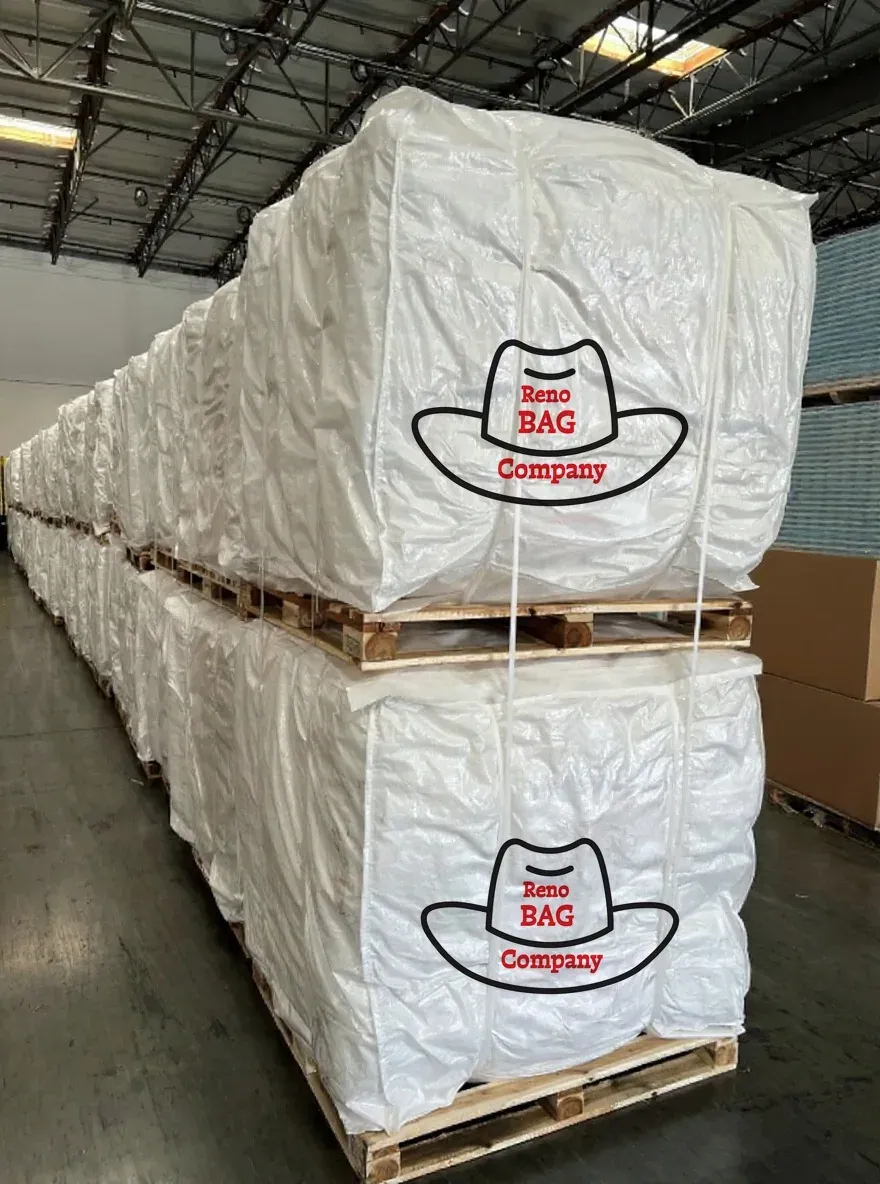
Food Grade Bulk Bags
Food grade is a manufacturing standard. These bags are produced from virgin polypropylene in certified facilities with certification documentation. Essential clean room compliant manufacturing environments and work practices are monitored both by the manufacturer and third-party audit companies.
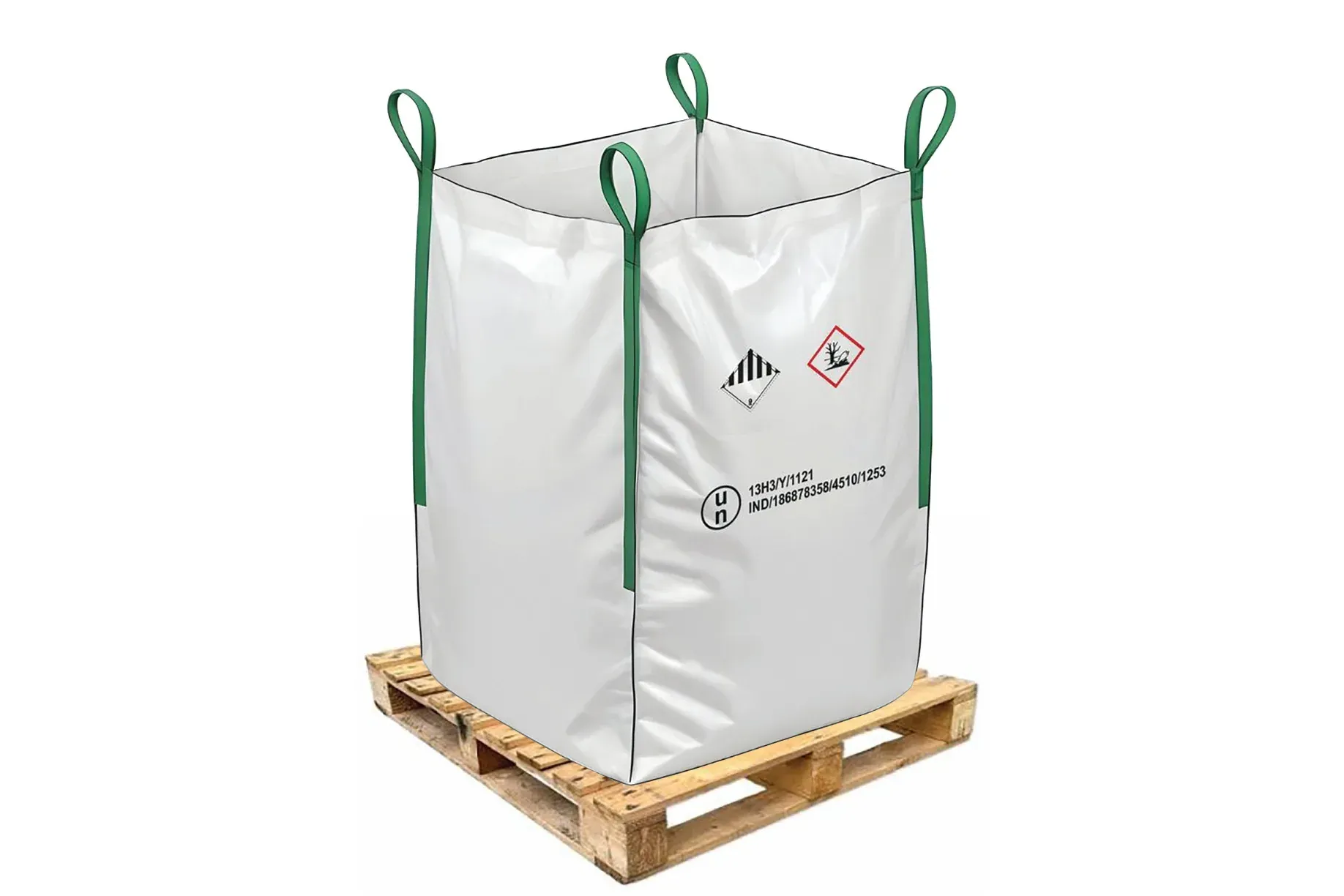
Hazmat Bulk Bags
Hazardous material packaging is regulated, and the regulation follows the classification of what you are moving. Where the material requires a UN-certified package we can advise the appropriate UN bag specification.
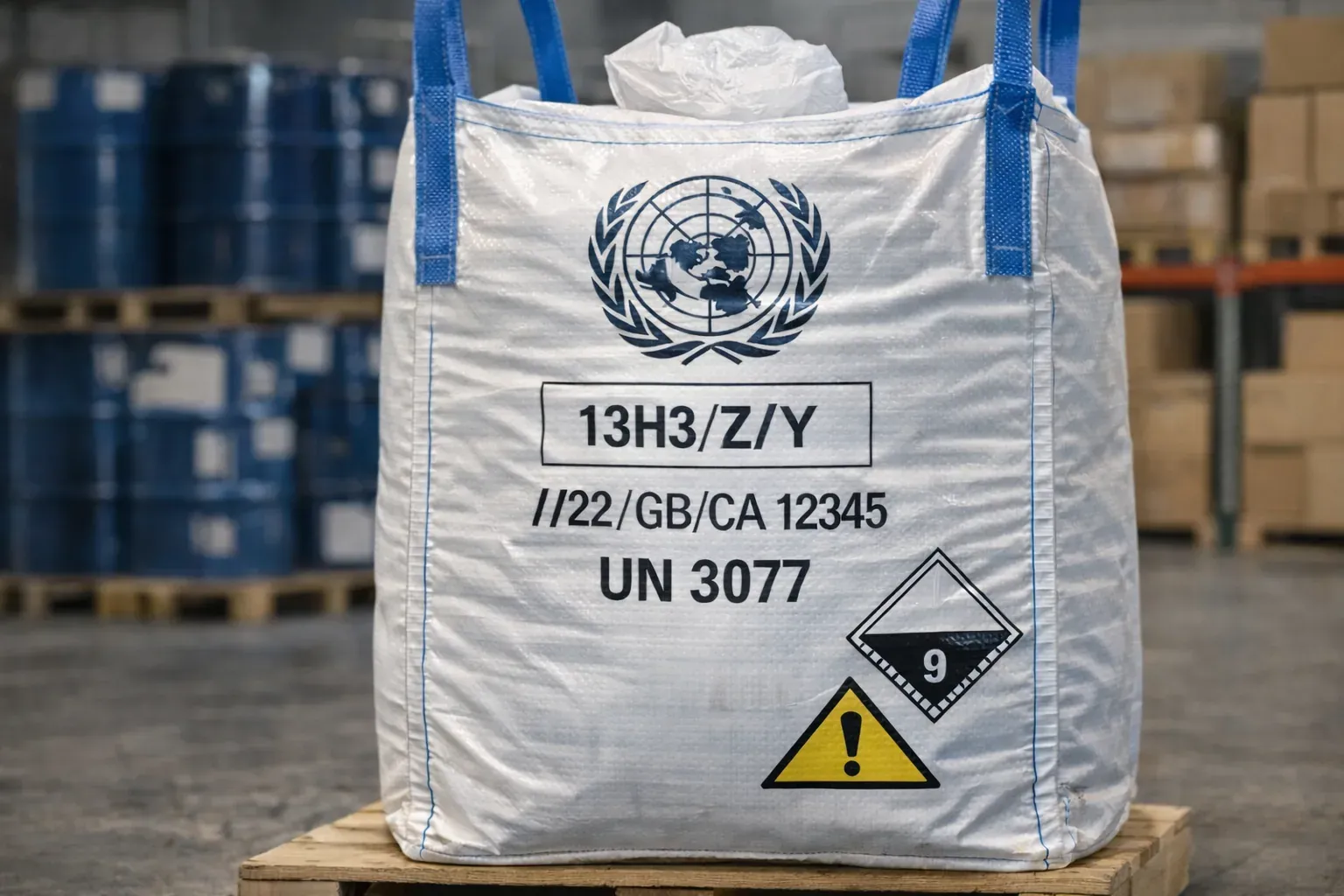
UN Certified Bulk Bags
UN certification is a tested package standard. The bag is qualified against drop, topple, righting and stacking tests, and carries the marking standard — this is what an inspector will want to see.
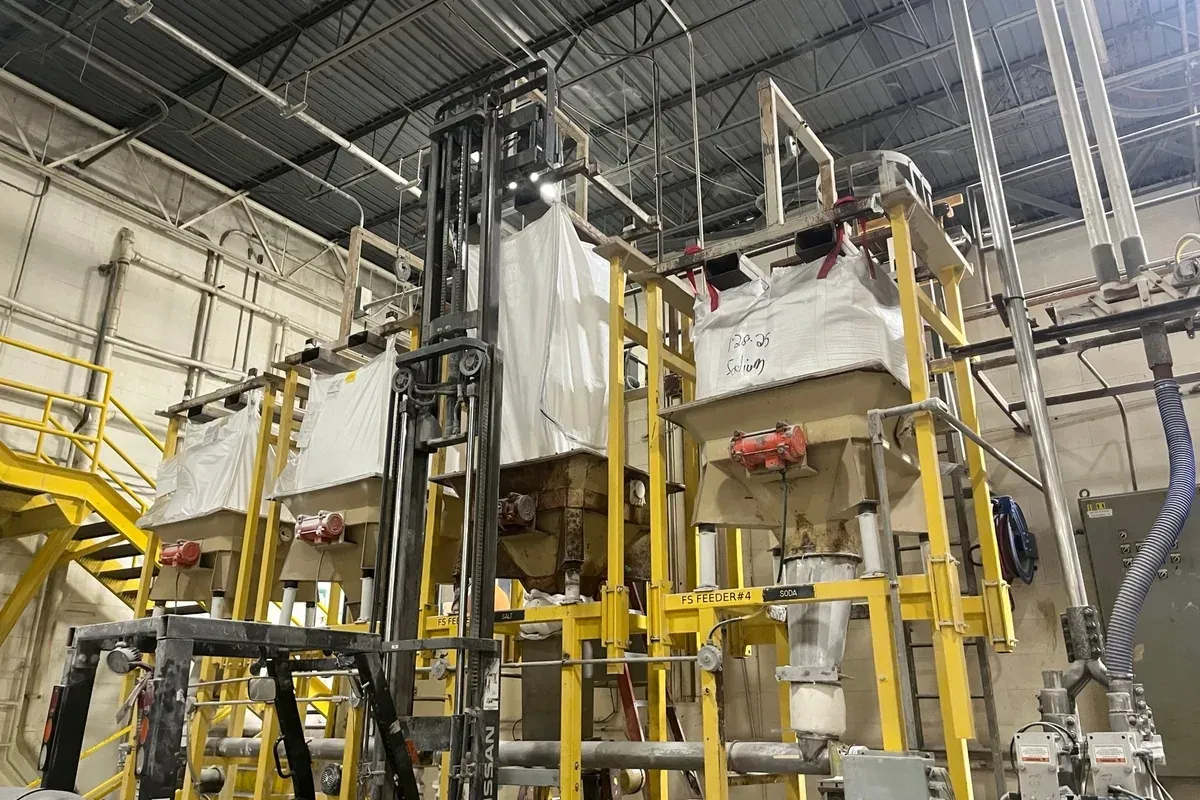
Anti-Static Bulk Bags
Filling and discharging a bulk bag generates static. Where there is combustible dust or a flammable atmosphere that can become an ignition source. Types B, C and D control static differently.
- Minerals
- Mining
- Sand
- Silica
- Aggregates
- Bulk Commodities
- Construction
Ask an expert
Ask and you shall receive — our experts have decades of experience. Use it to get the bags you need for your project.
What is the material?
This dictates the bag size — the material. Gravel, riprap, ore, concentrate, dry product, reagent. What goes in the bag decides almost everything that follows in designing it or specifying it.
What does your product weigh?
Bulk density, or a target fill weight per bag. Dense material can put a bag past its safe working load long before it looks full, so sizing and specifying is essential to safety. Ask our expert advice before purchasing.
Is it classified, or is the dust combustible?
Two separate questions with two separate answers. Regulated material needs a tested and designated marked package. Combustible dust needs the correct static type, decided by the atmosphere around the bag as much as by the powder in it.
How is it handled, and where does it sit?
What fills the bag, what lifts it, how it gets emptied — or whether it is moved frequently or stored for some time. Also how long it sits outdoors in high-desert sun, which will eventually degrade even UV-treated polypropylene fibres — sometimes invisibly.
Choosing between bag types
I do not know which bag I need. Where do I start?
With the material, and roughly what the load weighs. If the material is regulated, or the dust is combustible, that narrows it down enough to figure out a bag to best serve.
What is the difference between a hazmat bag and a UN certified bag?
A UN certified bag has been through a defined test regime and carries a marking recording the result, which is what makes it legal to offer regulated material for transport. A hazmat bag is specified for handling hazardous material — usually inside your own facility.
Do you supply single bags or only bulk quantities?
Both, though the economics change with quantity. We sell lots by pallet or container as a distributor. Tell us what you need and we will quote it.
Do you hold any of this in stock, or is everything made to order?
A standard inventory is available — see the inventory guide — in both the East and West Coast warehouses and can ship immediately: bulk bags in over a hundred configurations, small woven poly bags, and sandbags. Every stock bag is built to a 5:1 safety factor and carries a document pouch. Anything outside those configurations is produced to your specification, and we will coordinate the lead time before you place an order.
Can you do custom work beyond the six bag types?
Yes, and a fair amount of what we ship is exactly that: custom sizing, custom design, custom printing, UN-rated bags for hazardous materials, conductive bags, PE, foil and EVOH liners, stevedore straps, custom labels and pallet covers. We also run stock-and-release programmes for customers who want to hold a specification without warehousing it themselves, and transloading where the material needs to change container on the way through. We take away problems for our customers, we do not create them.
Can I reuse a bulk bag?
Only if it was built to be reused. Multi-trip bags are made to a 6:1 safety factor and single-trip to 5:1, and reusing a single-trip bag falls outside that bag's specific testing — it is not advised, and is wholly the responsibility and liability of the user. Food contact and hazardous material bags are effectively single trip regardless, because you cannot evidence what was in them beforehand.
What does a quote from you actually cover?
The bag type, fabric weight, dimensions, safe working load and the safety factor, for food grade or industrial use.