Work at scale
Where our bags end up
We do not supply a retail product. Our bags go to pole-setting and power utility crews, concrete and shotcrete pours, construction sites, mines and processing plants — hardworking outfits across Nevada and the West.
Those environments have three things in common: the material is heavy, the handling is repetitive, and the site is far enough from a supplier that a bag failing is a delay rather than an errand. That last one is the reason we would rather over-specify at the quote than be close by with a replacement — and it is most of how this business came to work the way it does.
The six below are kinds of work rather than named jobs. They run from pole setting on the power line to ore and concentrate handling — and the specification method is the same across every sector we supply.
Where our bags work
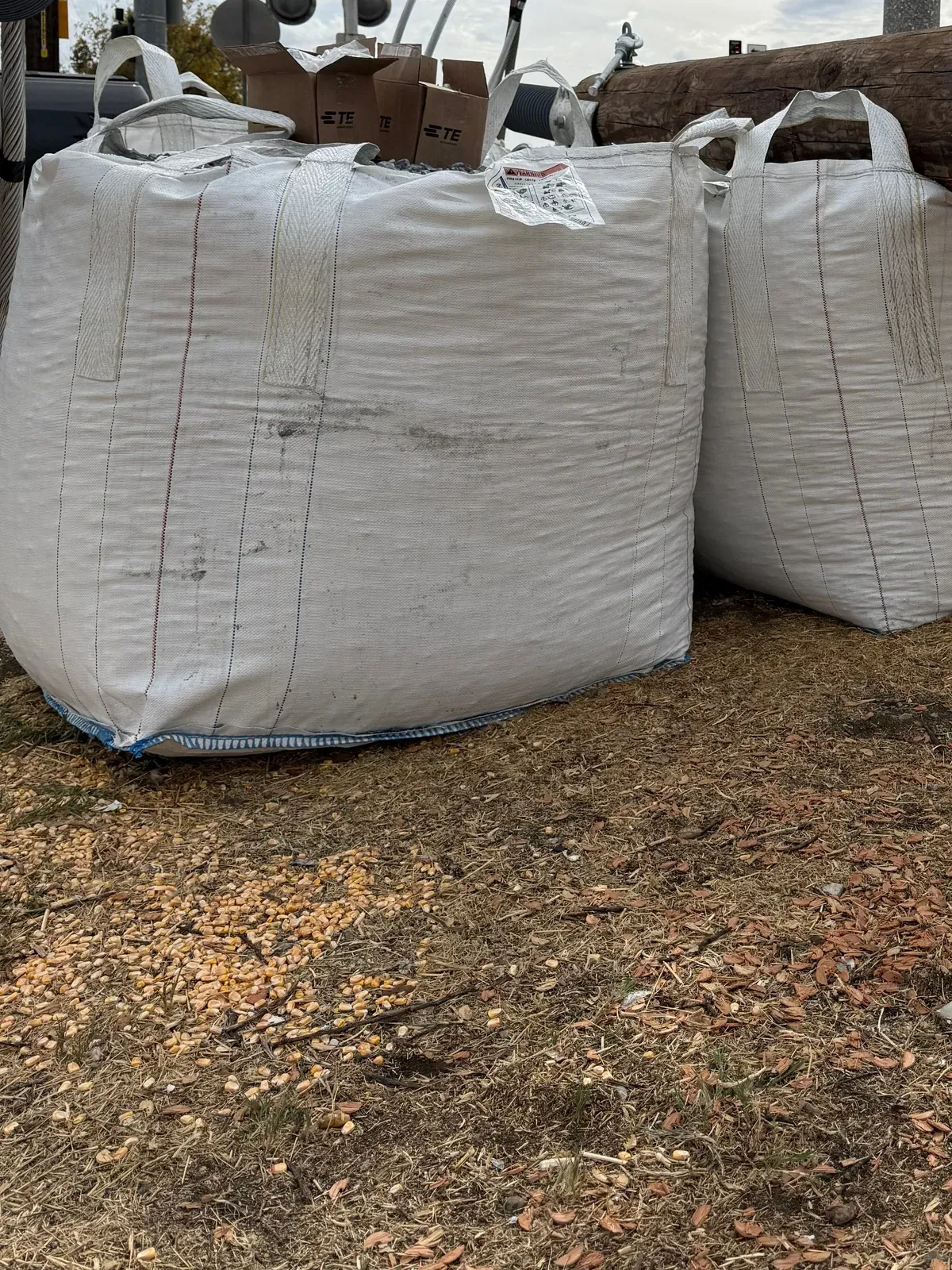
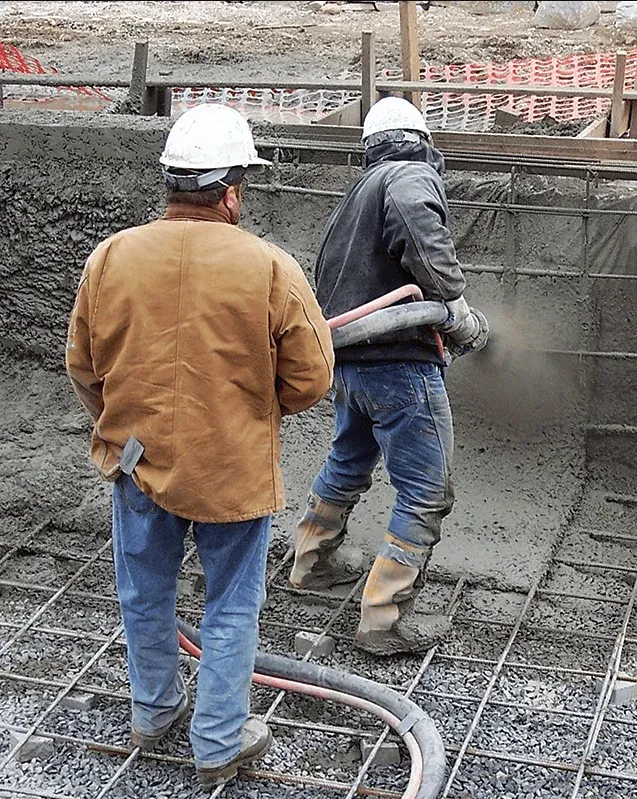
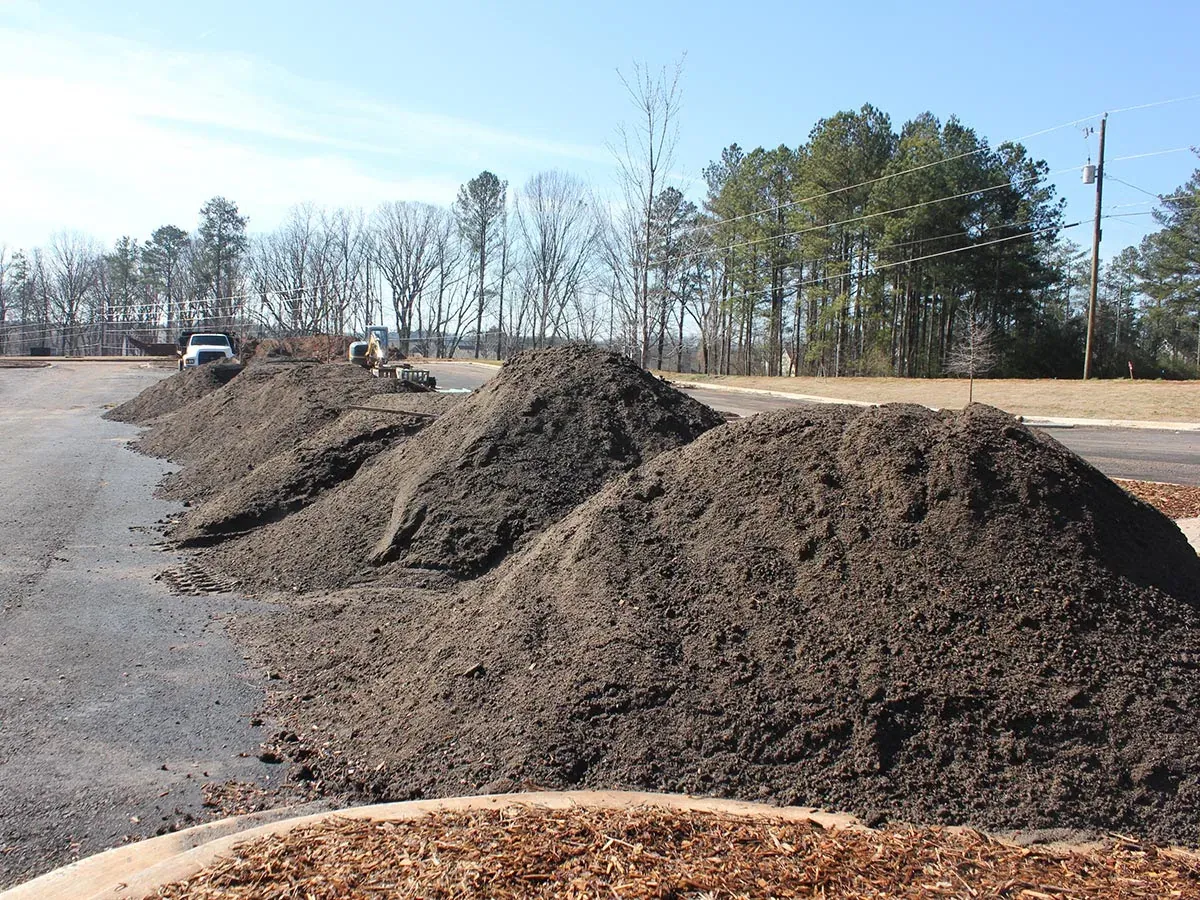
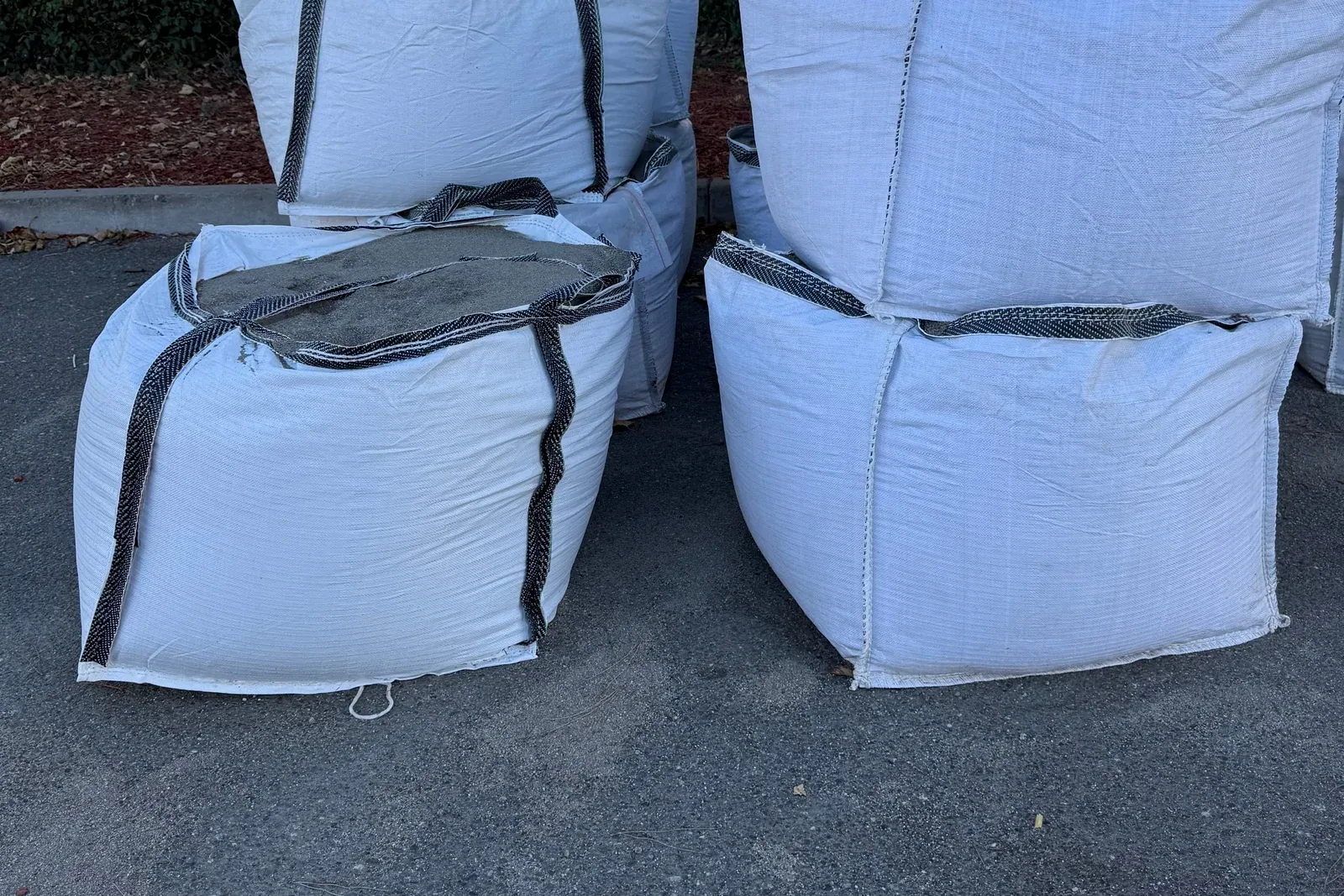
What different sites do to a bag
Data center site preparation is a volume and pace problem: the civil phase absorbs whatever slips upstream, so lead time matters more than fabric weight. Along a transmission corridor the material waits outdoors for weeks and the crew has moved on by the time it is filled, which makes UV treatment the governing specification rather than an upgrade. On utility-scale solar the same operation repeats tens of thousands of times, so a bag that is slightly awkward to pick costs real money by the end of the programme.
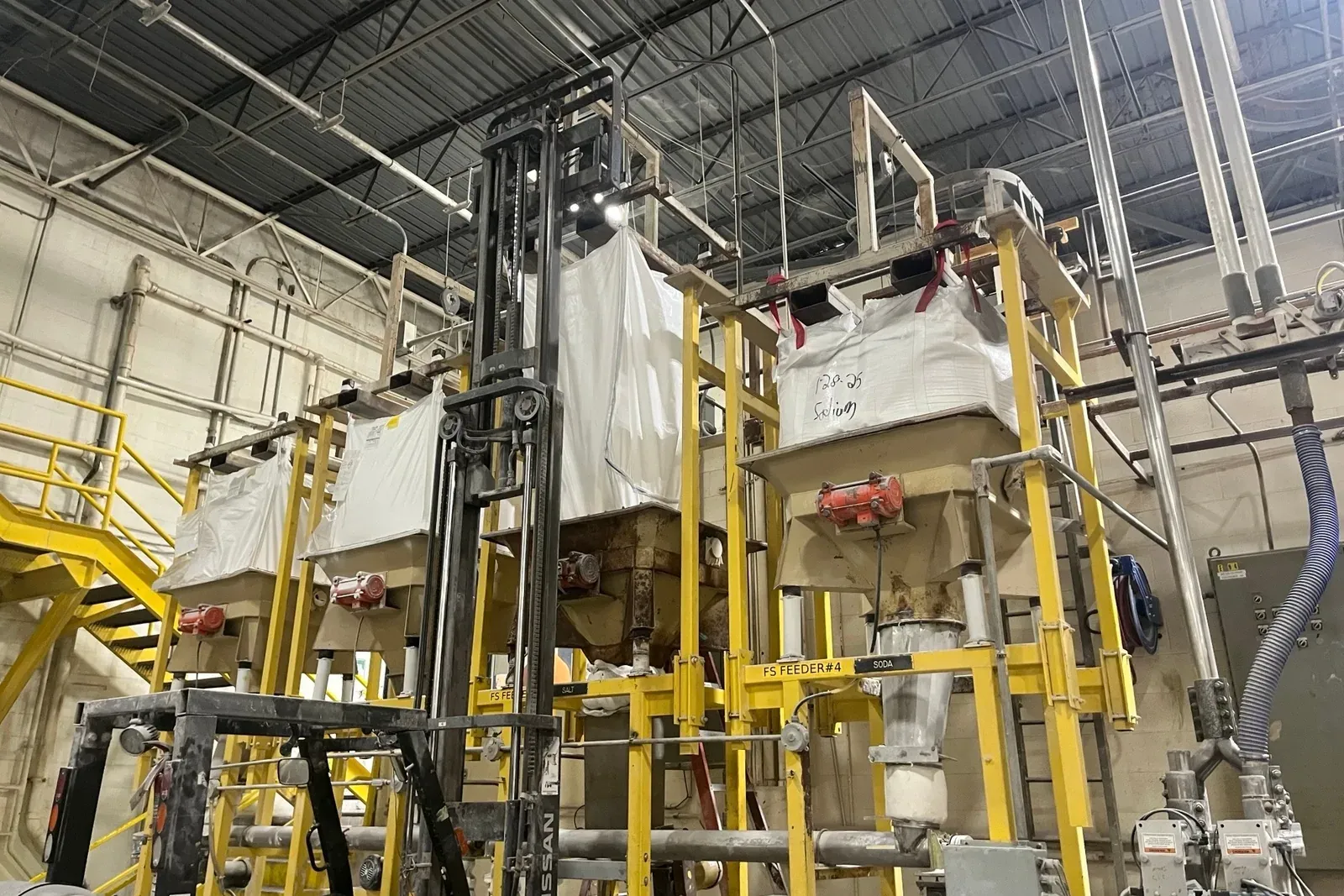
Processing plants are the hardest case, because one building commonly runs dense concentrate, fine dry product, classified reagents and food-adjacent output through different lines — four specifications rather than one. And in erosion control and restoration the bag stops being a container altogether: it is placed, it stays, and service life becomes the whole question.
Which of those constraints governs your work decides which of the six bag types you actually need, and it is usually faster to find yourself by the constraint than by the industry name.
Tell us about yours
Every site has a material, a weight and a way the bag has to be handled. Give us those three and we will tell you what you need — and if you would rather describe it than write it down, call us and we will work through it.