Commercial Construction
A constant problem rather than an exotic one
Commercial construction is the steadiest bulk bag user we supply, and it is also the least specialised. Material comes in, spoil and waste go out, on every project from site clearance through to final fit-out. There is no unusual classification, no static question, no certification to document.
What there is instead is variety and repetition. Aggregate, sand, spoil, demolition arisings and offcuts all move through the same site, often in the same week, and none of them wants quite the same bag. On a constrained site — which in commercial work is most of them — bagged handling is not a convenience but the only way to stage material at all, because a loose stockpile needs footprint the site does not have.
Match the bag to the lift, not to the catalogue
The detail most often missing from an enquiry is what is doing the lifting. A bag is only useful if the machine on site can pick it at full weight at the reach it actually works at, and that is a different number for a telehandler at extension than for a crane on a long radius or a forklift at the stockpile.
Loop length and configuration follow from the equipment. Get it wrong and the bag still functions, but it gets picked badly — at an angle, on fewer loops than intended, with a swing on it — and those are exactly the conditions the safe working load does not cover. Tell us what is lifting and how far out it has to reach.
Two streams that are genuinely different
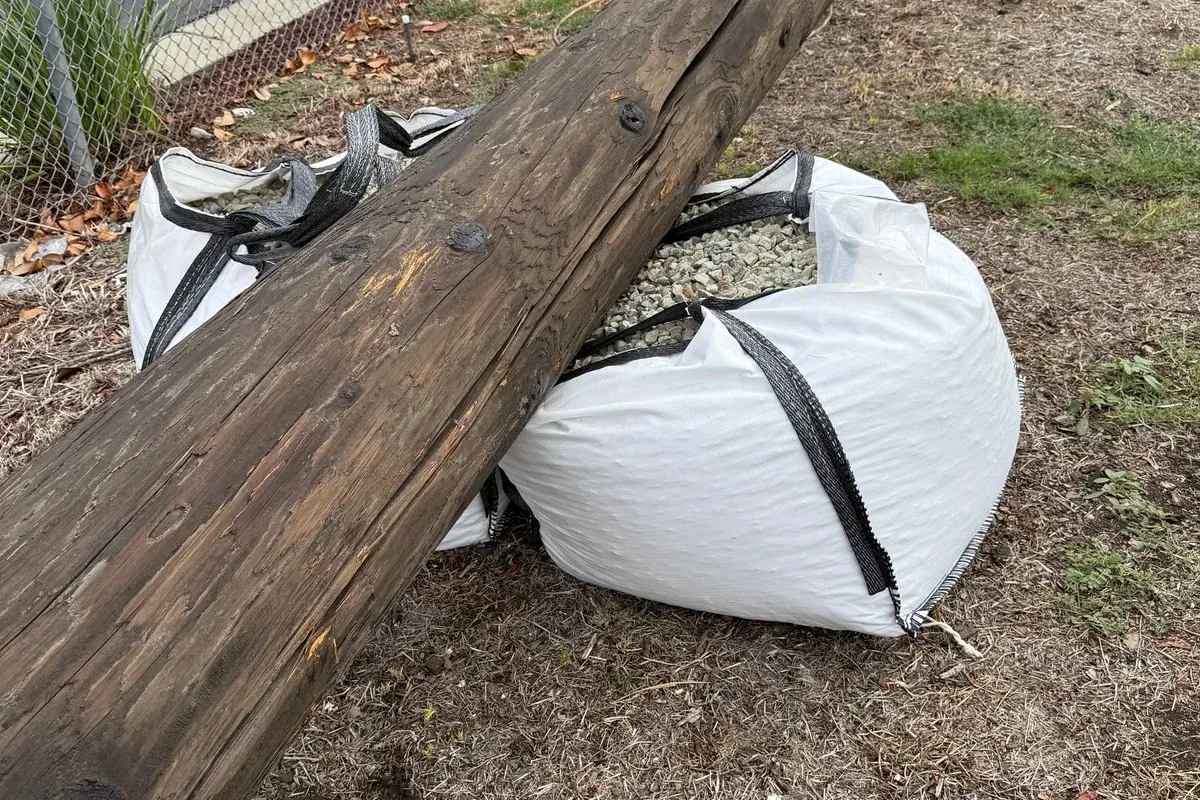
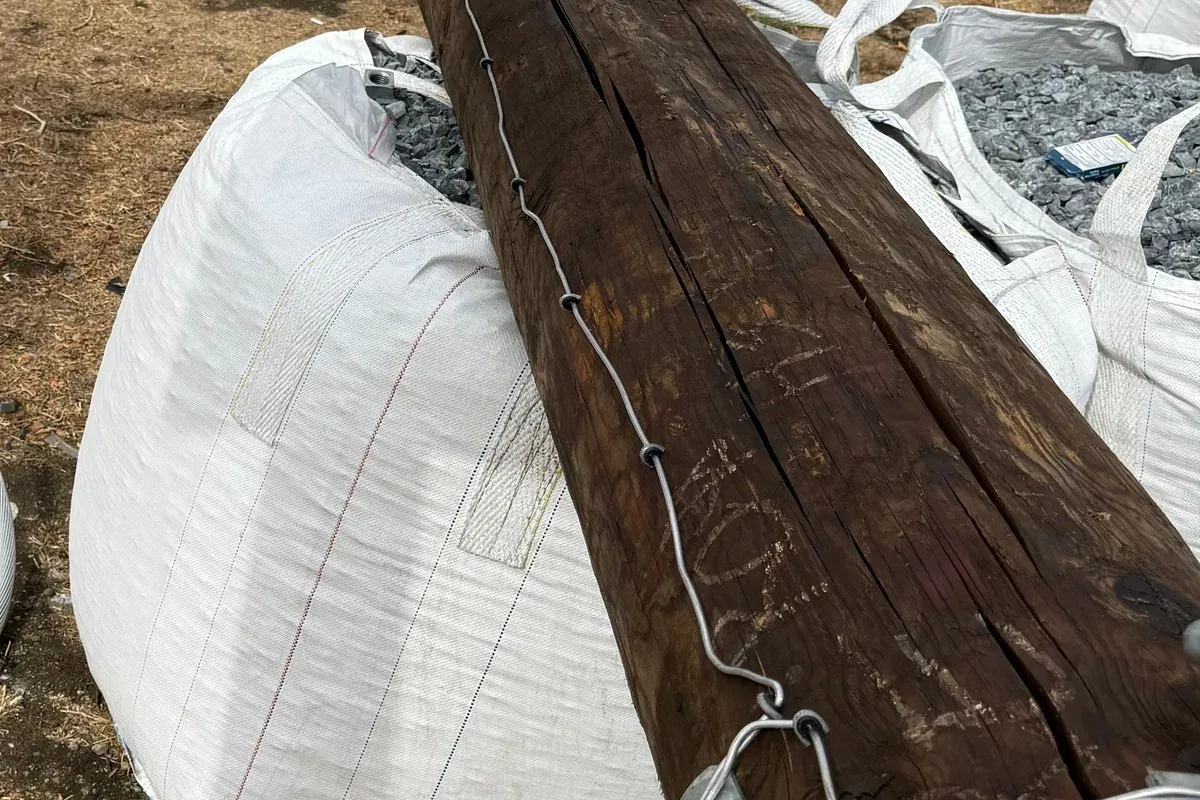
Clean aggregate and base material size from fill weight and fail by overload, which is what gravel and aggregate bags are specified against — density arithmetic first, dimensions last. Broken concrete and demolition arisings behave nothing like that: they are sharp and irregular, they concentrate load on a small area of fabric, and they fail by puncture. Rock bags carry the tighter weave and upgraded seams that duty needs.
The duty cycle is worth stating too. A bag filled, picked, moved and emptied several times over a week is doing multi-trip work whether or not anyone calls it that, and the safety factor should say so. Our product range lays out where single-trip stops being the right answer.
Shotcrete rebound is a third stream
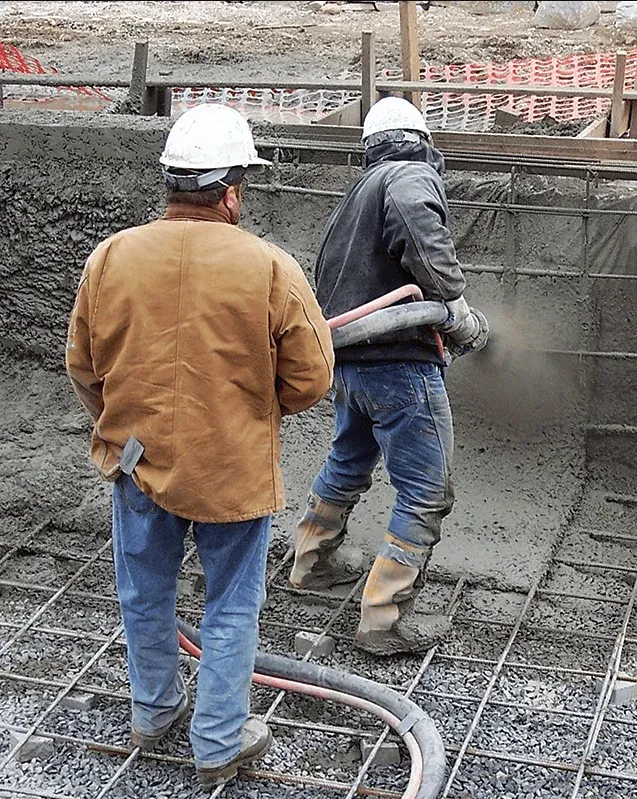
Anywhere there is shotcrete — shoring, tunnel work, slope stabilisation, pool and tank shells — there is rebound to collect, and it behaves like neither of the streams above. It comes off the wall wet and sharply graded, then stiffens as it cures, so the bag that was straightforward to pick at ten in the morning is carrying something heavier and less forgiving by the end of the shift. We build bags specifically for rebound collection in construction-grade fabric with heavy-duty seams.
The variable worth telling us is how fast full bags get cleared. Rebound left to set in a bag changes the pick weight, and that belongs in the specification rather than being discovered on the hook.
Where else this shows up
The same civil skills and the same bag are being used across most of what is being built in Nevada right now, from data center site preparation to solar access roads. If your crews move between the sectors we supply, it is worth having one specification conversation that covers all of them rather than reordering per project.
Getting a number
Send the material streams, the fill weights, and what is lifting at what reach. Request a quote with those three and there is rarely anything else we need to price it. If you would rather walk us through the site, get in touch — the lifting question is easier described than written down.
The constraints that govern this work
Constant, varied material flow
Aggregate, sand, spoil, demolition waste and offcuts all move through the same site, and none of them want the same bag.
Limited laydown space
Urban and constrained sites cannot store loose material, which pushes handling into bags by necessity rather than preference.
Crane and telehandler placement
Bags are lifted by whatever is on site, so loop configuration has to match the equipment and its reach.
Waste segregation requirements
Diversion targets and disposal rules mean waste streams have to be separated at source, which multiplies the bag types needed.
The bags this work needs
Each of these is a specification rather than a product line — the card links to the page that sets out what it is built to survive.
Commercial Construction: what buyers ask
What loop configuration should I order?
Whatever the machine on site can actually pick at full weight, at the reach it has to work at. That sounds obvious and it is the single most common thing left off an enquiry. A telehandler working at reach, a crane on a long radius and a forklift at the stockpile all want different loop lengths, and a bag that is awkward to pick gets picked badly. Tell us what is lifting and we will spec the loops to it rather than to a catalogue default.
We have to segregate waste streams for diversion targets. Does that mean more bag types?
More bags, not necessarily more types. Segregation at source is a labelling and logistics problem more than a specification one — the same bag construction often serves several streams. Where it does change the spec is when one stream is sharp: broken concrete and demolition arisings need puncture-resistant construction that clean offcuts do not.
Can bags be filled, moved and emptied in the same day repeatedly?
That is the normal duty cycle on a commercial site, and it is worth being explicit about it. A bag filled, picked, moved and emptied several times is doing multi-trip work even if nobody calls it that, and the safety factor should reflect it. A single-trip bag reused through a week of that is the most common misuse we see anywhere.
Our site has almost no laydown space. Does bagging actually help?
On constrained urban sites it is usually the only way to stage material at all — loose stockpiles need footprint that does not exist, and bagged material stacks, moves and gets out of the way. The trade is handling time per cubic yard, so it is worth sizing bags to the largest fill your equipment can pick comfortably rather than the smallest one that is easy to move.