Data Centers
The phase that decides the packaging
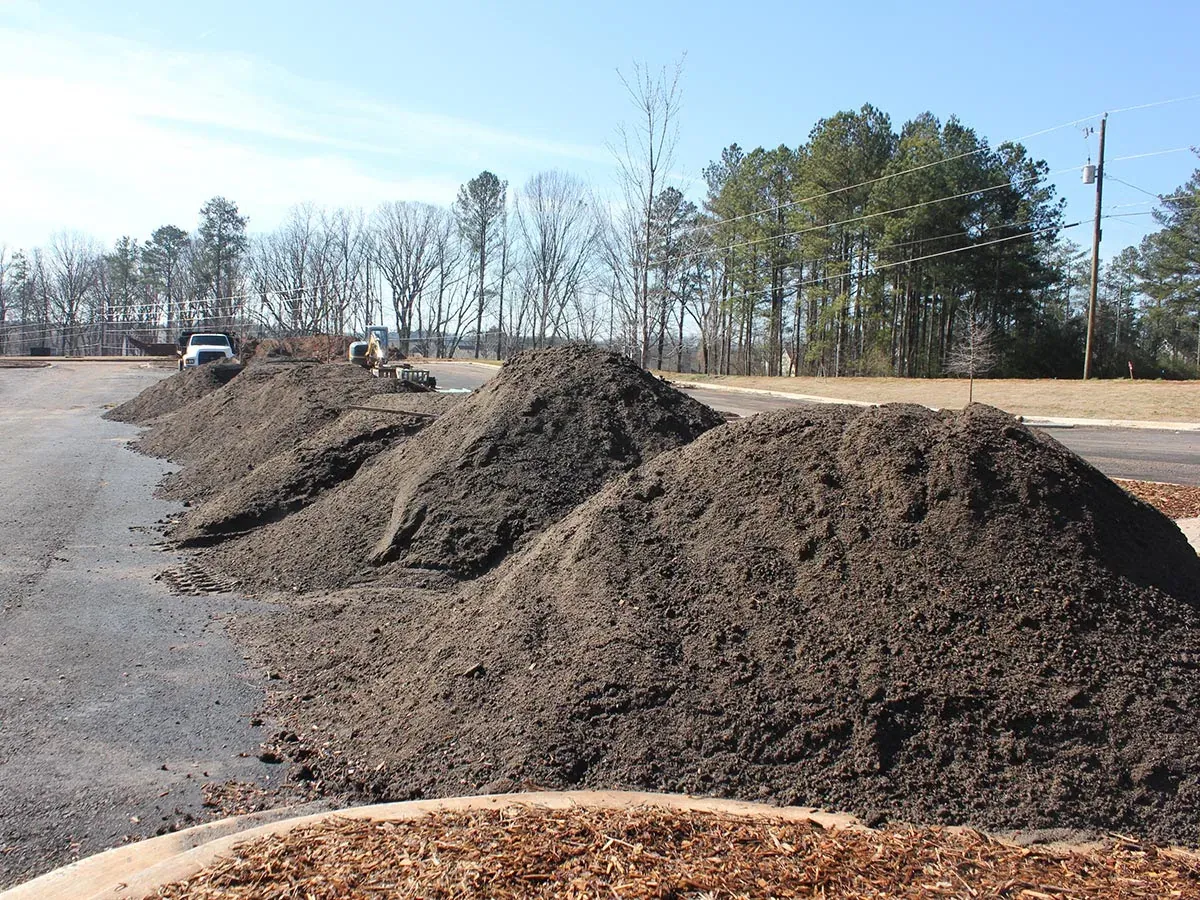
Every data center in Nevada starts as an earthworks project, and that phase moves more material than the rest of the build combined: clearing, grading, foundation excavation, trenching for power and fibre, and backfill for all of it. By the time any equipment arrives, the material handling is largely done.
What makes this sector distinct is not the material — it is ordinary aggregate and ordinary spoil — but the scale and the pace at which the same operation repeats. A site preparation package here consumes bags at a rate most contractors do not encounter on other work, which makes quantity and call-off pattern part of the specification rather than a purchasing detail.
Lead time is the constraint, not fabric weight
Data center programmes are driven by energisation dates and customer commitments, and the civil phase is where upstream slippage lands. It gets compressed, not extended.
The practical consequence is that packaging lead time stops being a background number and becomes something to check against the real date rather than the published one. A late delivery here does not delay a bag order; it delays a pour, and the pour is on the critical path to a date that has money attached to it. We would far rather tell you at quotation that a lead time does not fit than have you discover it when a crew is waiting.
Bedding and spoil are two specifications
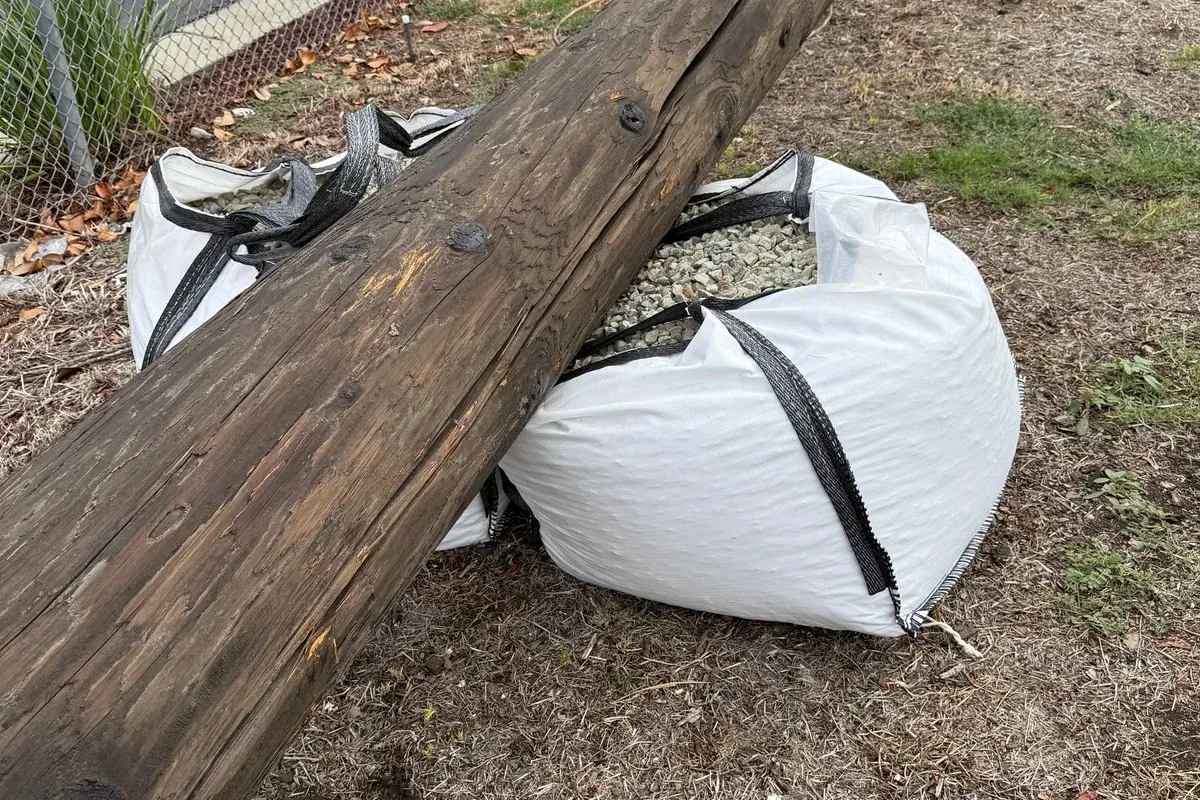
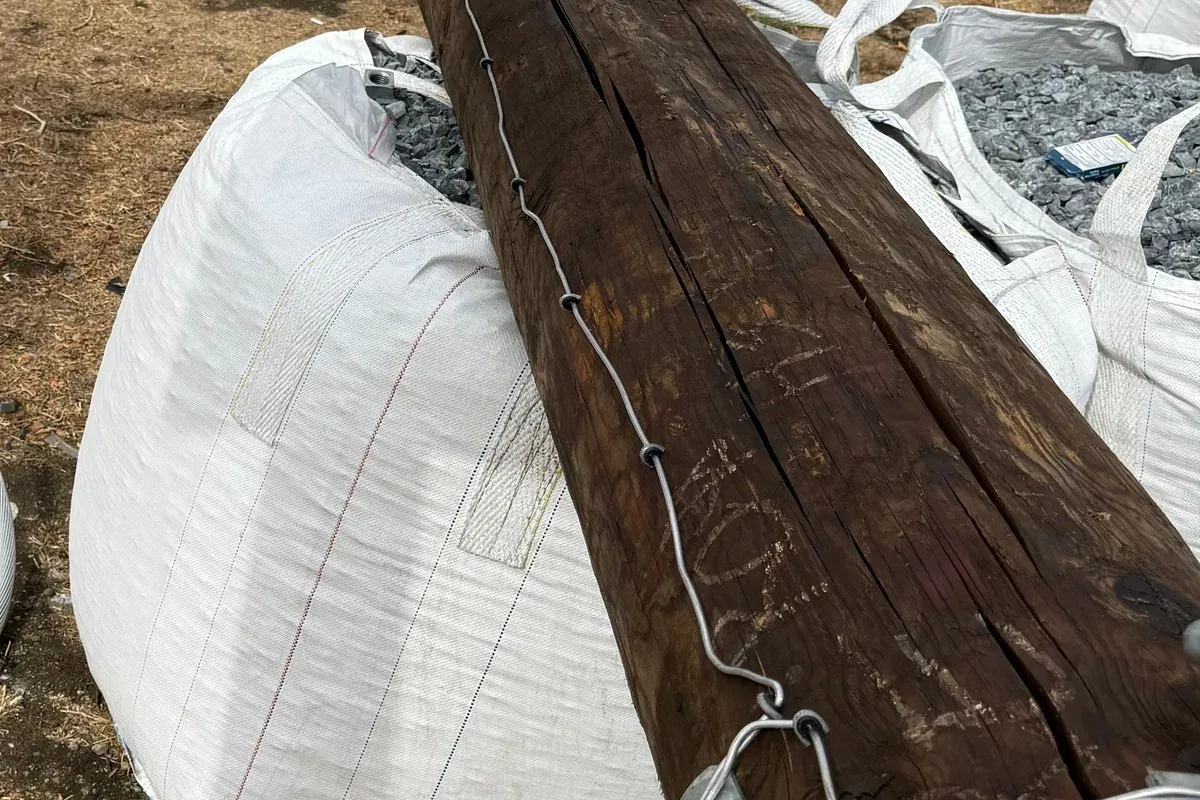
The underground routing on these sites means bedding material going in and excavated spoil coming out, continuously, for months. Graded bedding aggregate is a density problem: it sizes from fill weight, and aggregate bags are specified against overload. Spoil arrives as whatever was in the ground, angular fractions included, and fails a bag by cutting it — which is what rock bags are built for.
Sites with active dust control add a third consideration. Woven polypropylene carries fines, it does not contain them, so a housekeeping standard written into the contract is a liner question. Our product range sets out where each of those boundaries falls.
The same buildout, from a different angle
The power that brings these facilities here has to be generated and delivered, so a data center programme usually has transmission work and often solar generation running in parallel nearby — frequently for the same developer. The material problems rhyme across every sector in this buildout, and the specification conversation is much the same one.
Getting a number
Send the programme quantity, the call-off pattern, the material streams and the date that actually governs. Request a quote with those and we can price at project scale rather than by the pallet. If the schedule is the open question, contact us early — lead time is the one thing we cannot compress after the fact.
The constraints that govern this work
Very large earthworks phase
The site preparation for a hyperscale facility moves aggregate and spoil at a volume most contractors rarely handle in one project.
Compressed schedules
Data center programmes are driven by power availability and customer commitments, and the civil phase absorbs any slippage.
Trenching and conduit backfill
Extensive underground routing means continuous handling of bedding material and spoil across the site.
Clean site expectations
Containment matters on sites where dust control and housekeeping are actively managed.
The bags this work needs
Each of these is a specification rather than a product line — the card links to the page that sets out what it is built to survive.
Data Centers: what buyers ask
Can you quote at project volume rather than by the pallet?
Yes, and for an earthworks phase of this size you should ask us to. A hyperscale site preparation package consumes bags at a rate most contractors do not handle on other work, and pallet pricing against a project quantity is simply the wrong basis. Give us the programme quantity and the call-off pattern and we will quote against that.
The civil phase keeps getting compressed. How does that affect the bag order?
It changes lead time from a detail into the main constraint. Data center programmes are set by power availability and customer commitments, and the civil phase absorbs whatever slips upstream — so the bags are often needed sooner than the original schedule implied. Tell us the real date rather than the published one, and tell us early; we would rather flag a lead time that does not fit than have you find out at the gate.
We have dust control and housekeeping requirements on site. Does that change the bag?
It can. Managed sites often want fines contained rather than merely carried, which is a liner question rather than a fabric one — woven polypropylene is not a dust barrier by itself. If your site has active dust control or a housekeeping standard written into the contract, say so and we will specify containment to it rather than leaving it to the fill method.
Is trench spoil a different bag from bedding material?
Yes. Bedding aggregate is graded and consistent, so it is an overload problem and sizes from fill weight. Trench spoil is whatever came out of the ground, frequently with angular rock in it, and it fails a bag by puncture. The extensive underground routing on these sites means you are handling both continuously, so it is worth having both specified rather than compromising on one.