Mineral Processing
One site, four specification problems
Mineral processing is where the full range of our catalog tends to appear on a single purchase order, and that is not a sales observation — it is what the site actually requires. The concentrate is dense enough that sizing has to be done by weight. The fine dry product may be a combustible dust. The reagents may ship as regulated freight. Some output may be destined for food or supplement markets.
Those are four independent problems. Getting one wrong has consequences ranging from a torn bag to an ignition event, and none of the four is solved by being generous with fabric weight. The instinct to standardise on one bag across the plant is understandable and usually wrong in both directions: the strictest specification is expensive applied everywhere, and the cheapest is unsafe applied anywhere.
The static question is the one to get right
If the plant handles fine, dry, combustible product, the choice between FIBC types B, C and D is a safety decision rather than a commercial one. Type B fabric prevents propagating brush discharge but is not a substitute where a flammable atmosphere is present. Type C works — and only works — when grounded on every fill and discharge. Type D dissipates charge without a ground connection.
The deciding question is about your bagging area, not your product: can that ground connection be verified every time, by every operator, on every shift? Bagging areas in processing plants are frequently enclosed and running continuously with rotating crews, which is precisely the condition under which the honest answer is no. Where it is no, Type C is the wrong specification whatever the price difference says.
Classification and documentation, which are not the same thing
Process reagents commonly ship as dangerous goods, and at that point the package is dictated rather than chosen. UN certified bulk bags are tested and marked to a packing group, and the marking is what gets read if a shipment is inspected. Reagents handled on site instead of shipped are a hazmat containment question — liner and closure specified against the classification.
Separately, and independently, any stream heading for food or supplement use needs documented food-contact packaging: virgin resin, a certified facility, lot traceability. That is a manufacturing standard, not a fabric property, and no transport certification covers it. A single stream can genuinely require the static type, the transport certification and the food-contact documentation at once.
Continuity matters as much as specification
A plant that runs continuously cannot pause for a packaging shortfall, so consistency of supply belongs in the specification conversation rather than after it. Tell us the consumption rate per stream and we will quote a call-off arrangement against it instead of a one-off quantity.
Upstream, this work runs straight into mining at the concentrate end and increasingly into rare earth development as those projects mature — and the specification pressures recur across every sector we supply.
Getting a number
Send the streams, their densities, the hazard position on any combustible dust, and the classification for anything regulated. Request a quote with that and we can specify per stream rather than per plant. If the hazard assessment is the unresolved part, contact us — we would rather work through it than quote around it.
The constraints that govern this work
Combustible dust risk
Fine dry product generates dust and static at filling and discharge, which raises a genuine ignition question in some plants.
Reagents with transport classification
Process chemicals frequently ship as regulated material, which dictates the package rather than merely suggesting one.
Very dense concentrate
Concentrate is among the heaviest material handled in bulk bags, and volume-based sizing fails badly.
Continuous operation
A plant that runs continuously cannot pause for a packaging shortfall, so consistency of supply matters as much as specification.
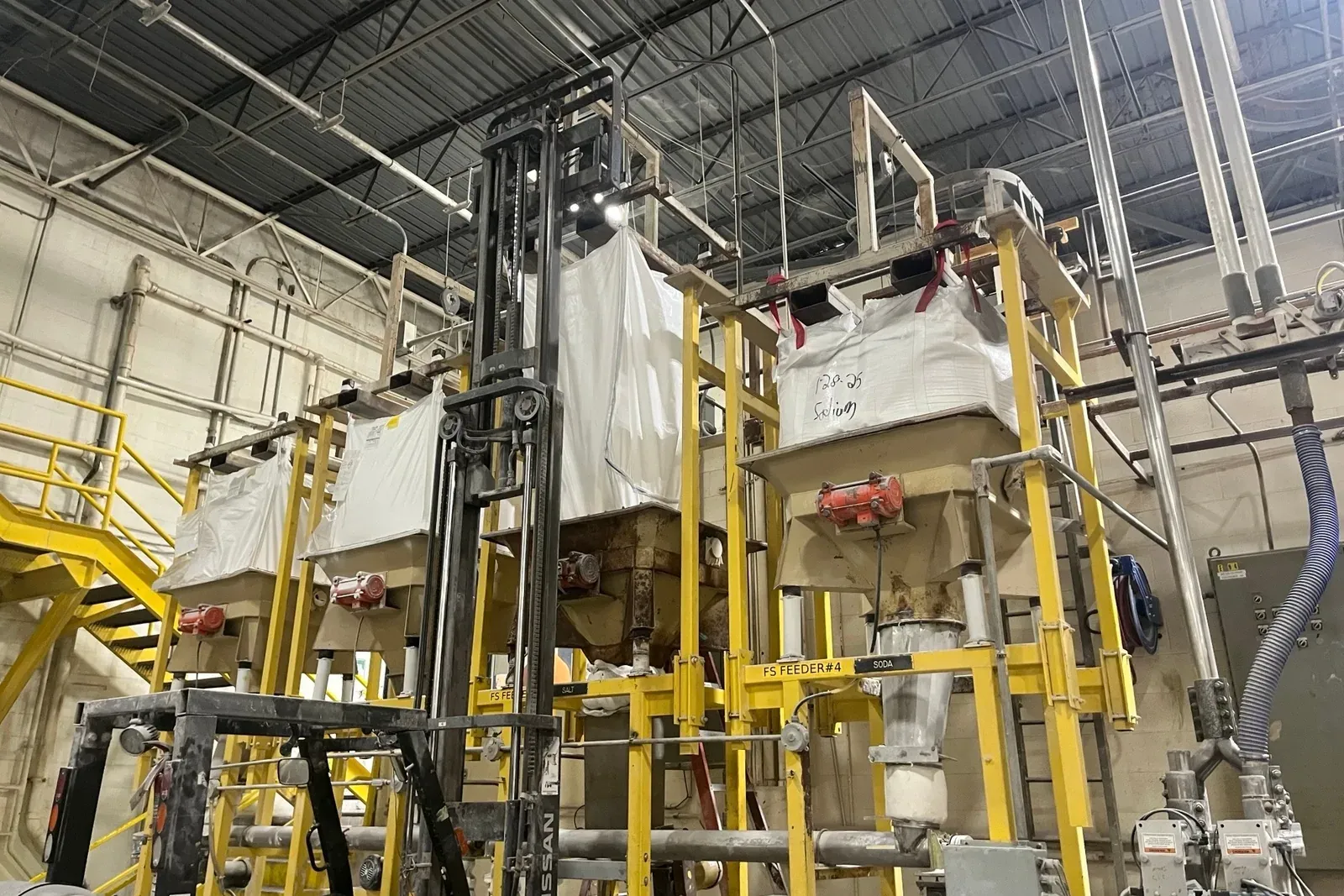
The bags this work needs
Each of these is a specification rather than a product line — the card links to the page that sets out what it is built to survive.
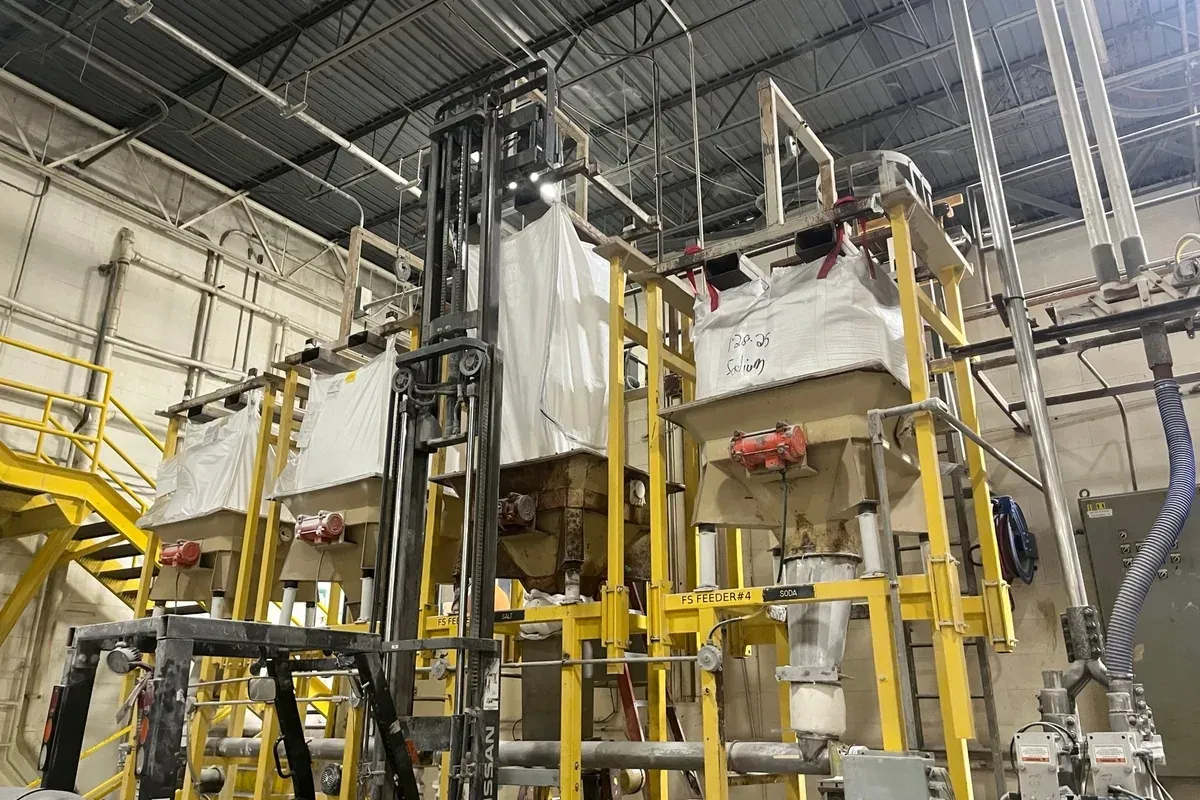
Correct FIBC type for the dust risk
Type B, C or D specified against the actual hazard assessment — including whether grounding can be reliably enforced on every shift.
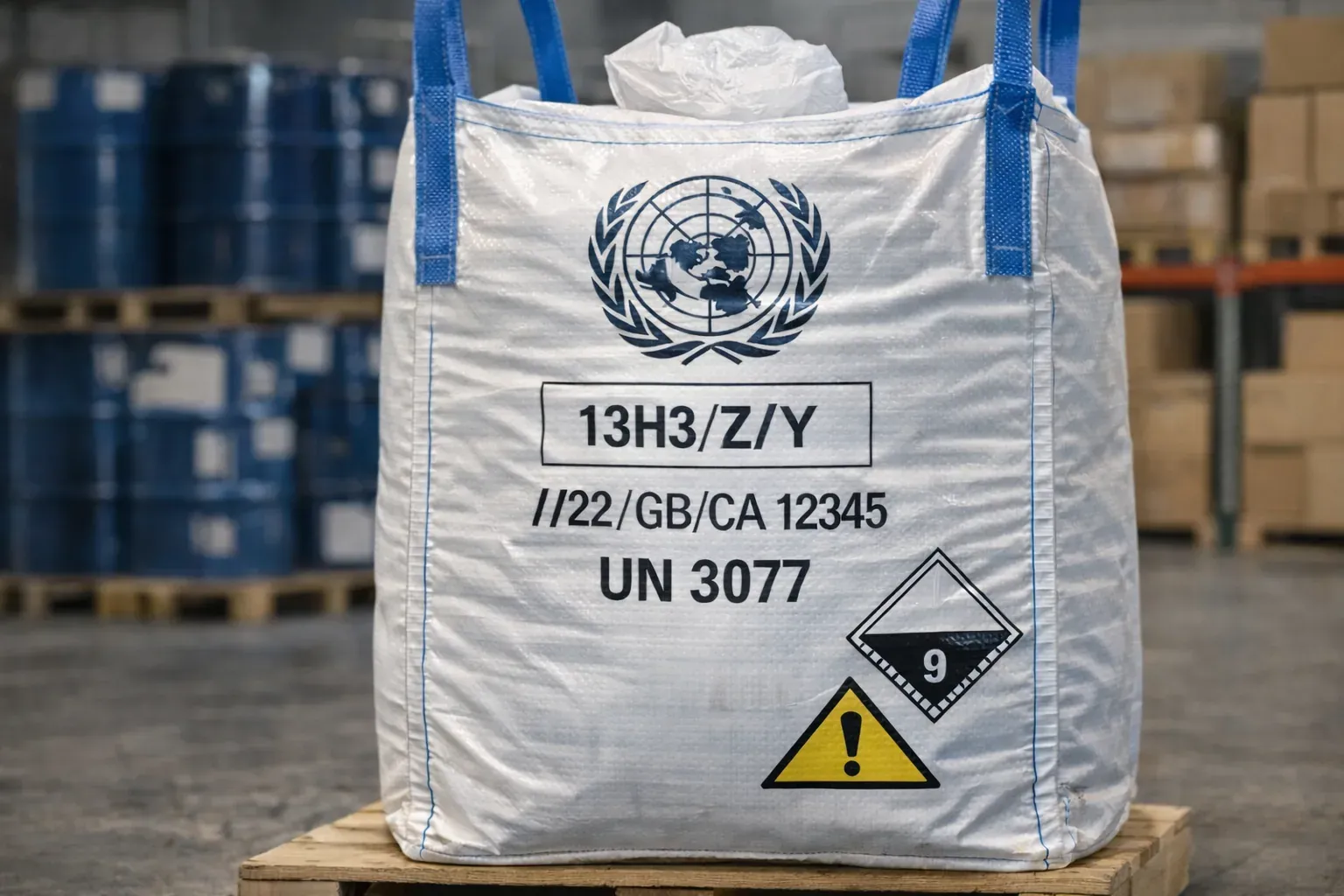
Certified packages for classified reagents
Tested and marked packaging matched to the packing group and gross mass, with the documentation for the file.
Food grade streams where applicable
Plants producing minerals destined for food or supplement markets need packaging with the resin and facility documented, because the paperwork is what an auditor actually asks for.
Mineral Processing: what buyers ask
Do we really need several different bag specifications on one site?
Usually yes, and it is worth resisting the urge to standardise. A plant commonly runs dense concentrate, fine dry product, classified reagents and waste streams through the same building. Those are four different specification problems — density, static, transport classification and containment — and one compromise bag stretched across all of them is over-specified for some and unsafe for others. Standardising on the strictest bag is safe but expensive; standardising on the cheapest is neither.
How do we choose between FIBC Type B, C and D?
Two questions, in order. Is the product a combustible dust? And is there a flammable atmosphere around the bag during filling or discharge? A flammable atmosphere means Type C or D. A combustible dust in a non-flammable atmosphere may be satisfied by Type B. The second question is about the location rather than the material, and it is the one most often skipped.
Type C is cheaper than Type D. When is that a false economy?
Whenever grounding cannot be enforced on every fill and discharge, by every operator, on every shift. A Type C bag collects charge in conductive threads and needs a verified path to earth; without one it can present a greater ignition risk than a plain bag. Type D removes the operator from the safety case entirely. In an enclosed bagging area on continuous operation, that is normally the trade worth making.
Some of our output goes to food or supplement markets. What changes?
The resin and the producing facility, and the documentation that evidences both. Food grade is a manufacturing standard, not a fabric type — virgin polypropylene, a certified production environment, and lot traceability you can put in front of an auditor. It is independent of the static type and of any transport classification, so a stream can need all three at once.