Mining
Three hard problems at once
Mining is unusually demanding on bulk bags because it combines three separate difficulties that most sectors face one at a time. The material is abrasive, so it works the fabric from the inside while the load works the seams. It is dense, so volume-based sizing fails badly. And the sites are remote enough that a bag failure costs production time long before anyone counts the spilled product.
Nevada is the centre of gold mining in the United States and the operations here move ore, concentrate and process material in quantities that make small specification errors expensive at scale. The same error repeated across a year of orders is not a nuisance.
Where specification goes wrong, and why it looks like a defect
The most common error is sizing by volume. Concentrate is heavy enough that a bag rated for a cubic yard of ordinary material is past its safe working load before it is full. The bag still looks like it has room, so it gets filled — and the failure that follows looks like a manufacturing fault rather than what it is.
Give us the material and the target fill weight and the problem disappears at the quote stage. That is the arithmetic behind rock bags, which are built for the abrasive, angular end of what a mine moves: tighter weave, upgraded seam construction, and a multi-trip safety factor where bags are re-picked rather than emptied once.
An honest answer on the static question
Fine dry concentrate generates static during filling and discharge, and where the dust is combustible that is an ignition source rather than a nuisance. Type B, C and D bags control it in genuinely different ways, and the choice turns on a question about your site rather than about the material: can a ground connection be verified on every fill, by every operator, every shift?
On a remote site with rotating crews, the honest answer is often no. In that case Type C is the wrong specification whatever it costs, because an ungrounded Type C bag can present more risk than a plain one. We would rather work through that assessment with you than quote a type from a list.
Where classification takes over
Reagents inbound and some concentrate outbound ship as regulated freight, and at that point the governing constraint stops being strength. UN certified packages are qualified by drop, topple, righting and stacking tests at a severity set by the packing group, and the marking is what an inspector reads at the gate. A bag of identical construction that was never tested is not the same package.
For material handled inside the fence rather than shipped, hazmat specification is the relevant one — containment through the liner and closure rather than qualification for transport. The two overlap constantly, and if you only need one we will quote one.
Mining also sits upstream of most of what we supply elsewhere: the concentrate leaving a mine site is the feed arriving at a processing plant, and the same operators increasingly run rare earth projects alongside gold. If your work spans more than one of the sectors we serve, the specification conversation is a single one.
Getting a number
Send the material, the bulk density or target fill weight, your consumption rate, and the classification for anything regulated. Request a quote with that and we can specify and plan supply against it. If the static or classification questions are unresolved, call us — those are worth settling before anything is ordered.
The constraints that govern this work
Abrasive material, constant load
Ore and concentrate abrade fabric from the inside while the load works the seams. Bags specified for general dry goods do not last.
Remote sites, long resupply
When a site is hours from the nearest supplier, running short is a production problem rather than an inconvenience. Lead time planning matters as much as unit price.
Dense material in small volumes
Concentrate is heavy. A bag sized by volume will exceed its safe working load long before it looks full, which is a common and dangerous specification error.
Dust and static exposure
Fine dry material generates dust and static during filling and discharge, which raises questions about containment and ignition risk.
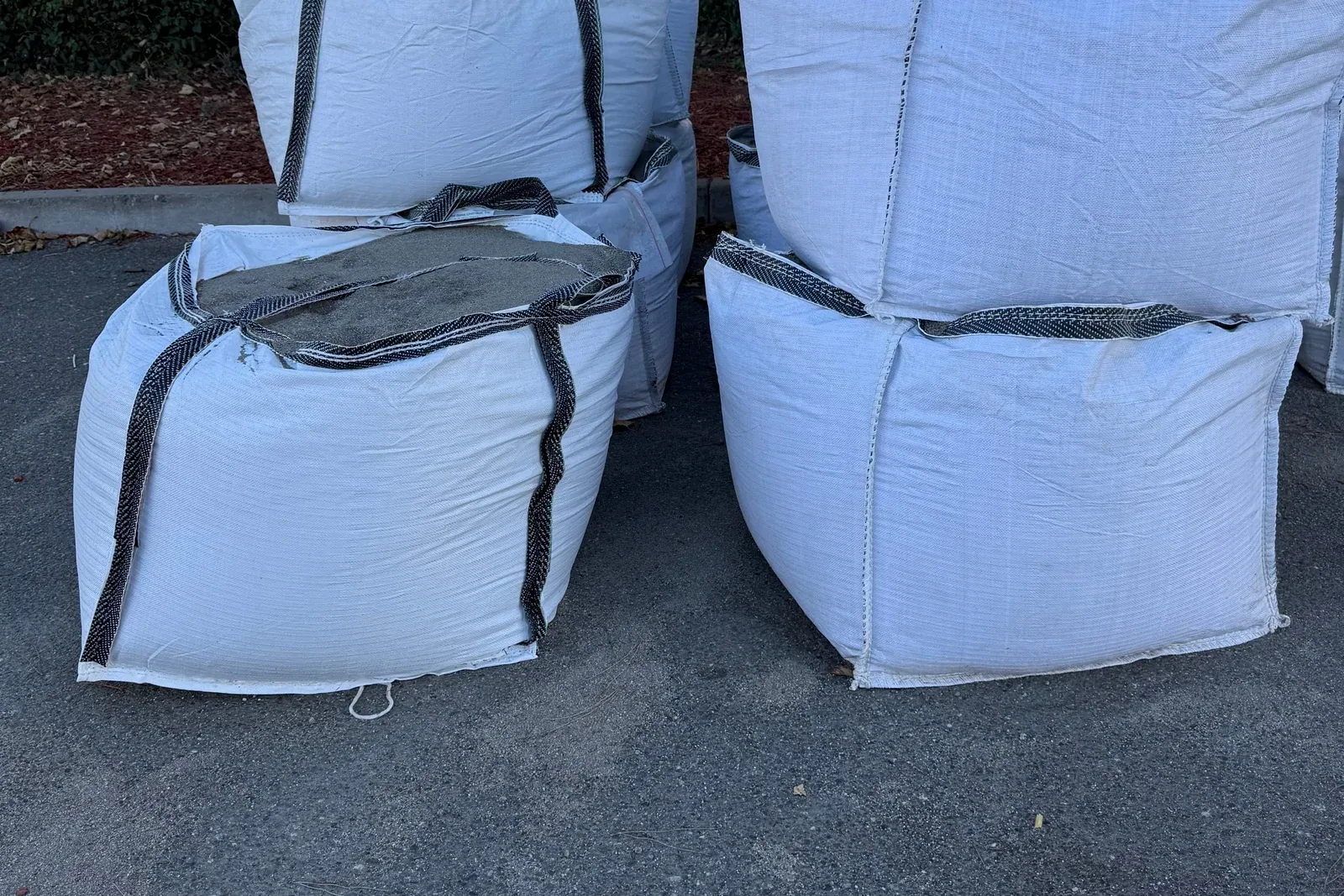
The bags this work needs
Each of these is a specification rather than a product line — the card links to the page that sets out what it is built to survive.
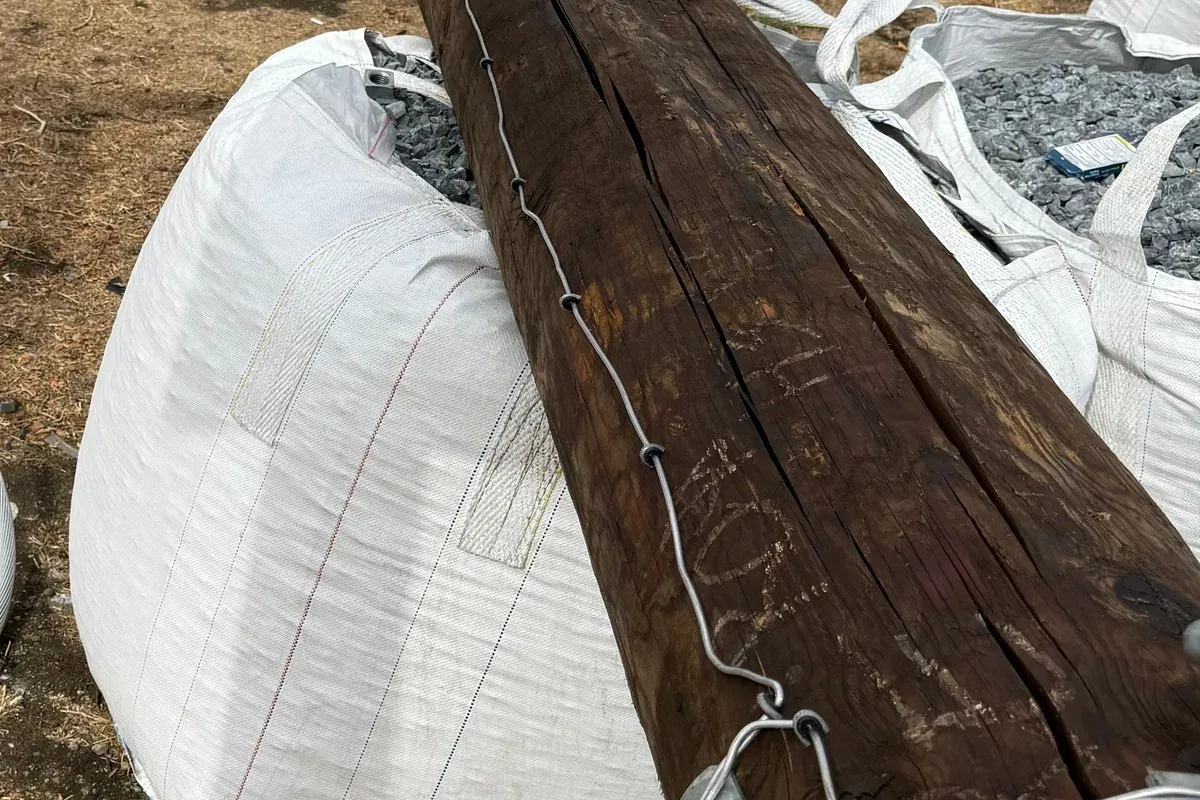
Bags specified by density
We size against the bulk density and target fill weight, not against cubic capacity, so the safe working load is real.
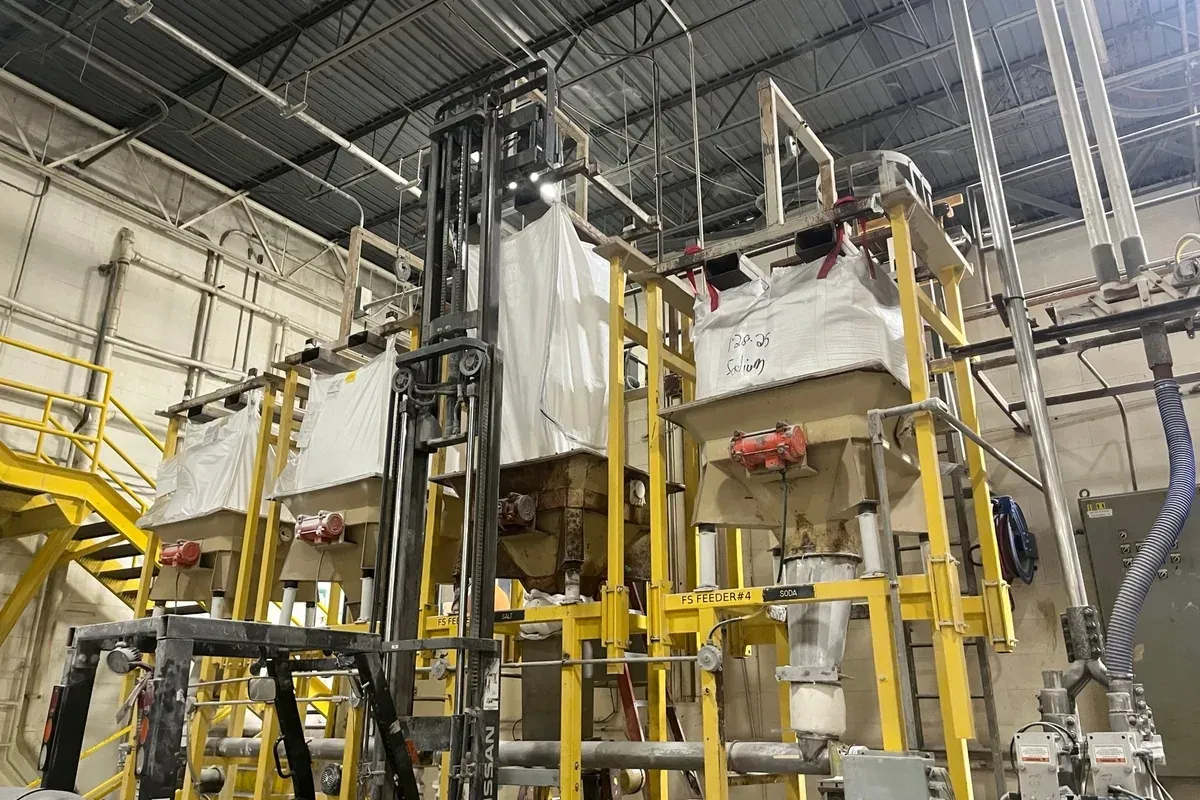
Static control where dust is combustible
Where the material or the atmosphere presents an ignition risk, we specify the correct FIBC type rather than defaulting to the cheapest.
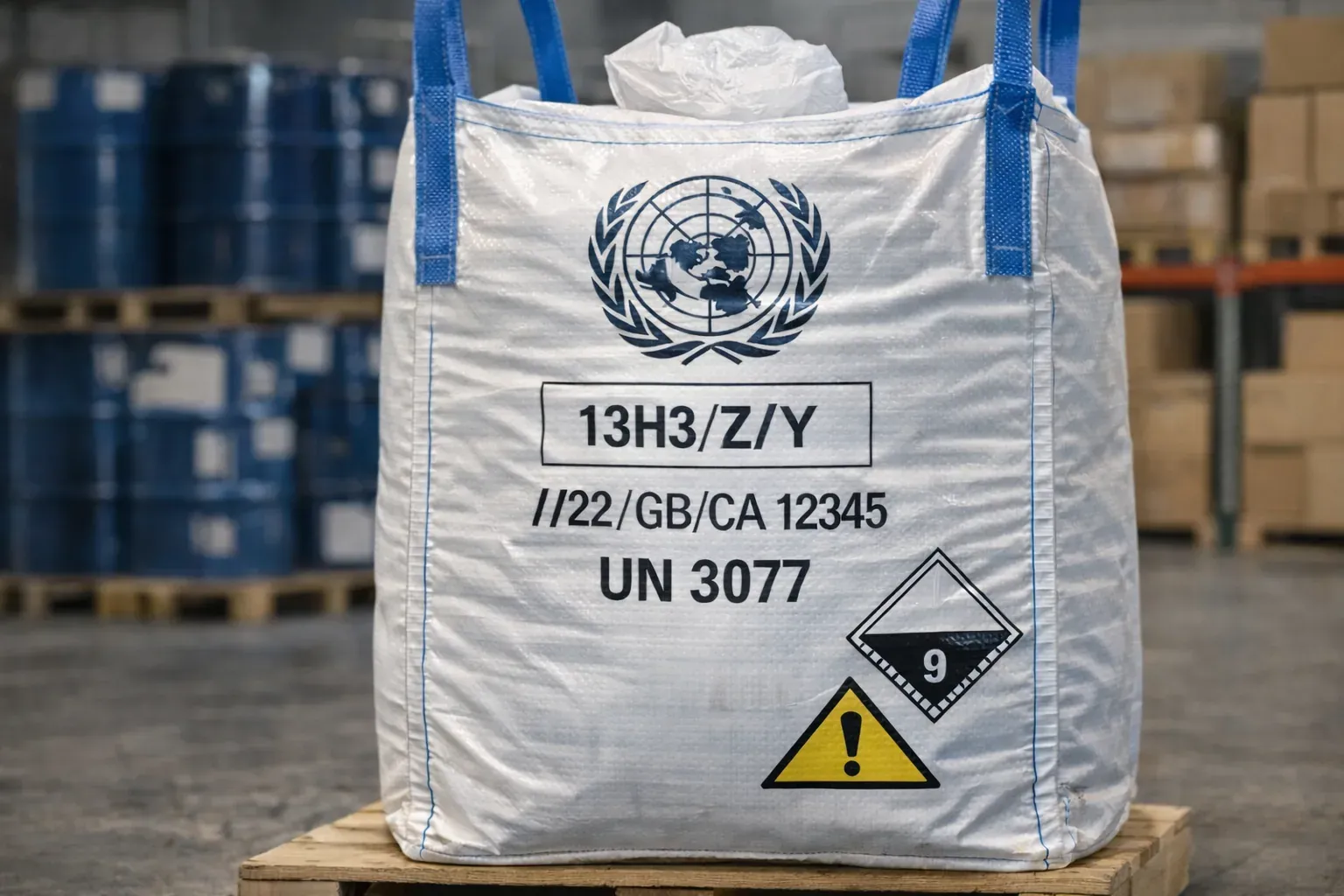
Certified packaging for regulated material
Where concentrate or reagent ships as dangerous goods, a tested and marked UN package is required — not merely a heavy-duty bag.
Mining: what buyers ask
Why does concentrate need a different bag from ore?
Density. Concentrate is among the heaviest material handled in bulk bags, and a bag rated on a one-cubic-yard label is well past its safe working load before it looks half full. Run-of-mine ore is coarser and lighter per unit volume but abrasive and often angular, so it fails by cutting the fabric instead. Same site, same purchase order, two genuinely different specifications.
Do concentrate or reagents need UN certified packaging?
Some do and some do not, and the answer comes from the classification rather than from the material's name. If it ships as dangerous goods it needs a tested and marked package, and no amount of fabric weight substitutes for that. If it does not, certification buys you nothing and we will say so. Send us the UN number, proper shipping name and packing group and we can tell you which situation you are in.
Can you guarantee grounding on our filling station? We are not sure.
If you are not sure, that is the answer — and it means Type C is the wrong specification for your site. A Type C bag only controls static when it is connected to a verified earth every fill, every shift, including the shift where someone is covering. Ungrounded it can be more hazardous than a plain bag. Type D removes the operator from the safety case, and on a remote mine site with rotating crews that is usually the trade worth making.
We are hours from the nearest supplier. How do we avoid running short?
By treating lead time as part of the specification instead of a delivery detail. On a remote site running short is a production problem, not an errand, so we would rather agree a call-off schedule and a buffer against your consumption rate than quote a one-off quantity. Tell us the burn rate and the road access and we will plan to it.