Energy Infrastructure
What the corridor does to a bag order
Almost everything difficult about this sector is logistics rather than fabric. A transmission or distribution job is strung along a line, so there is frequently no single laydown yard — material has to reach a crew that will be somewhere else next week, down access tracks that were not built for a semi.
That has two consequences worth designing for at the quote stage. The first is delivery: one order often lands at several points on different dates, and access constraints decide whether that is straightforward or not. The second is exposure, because material staged on a corridor sits in the open far longer than material in a yard.
UV treatment is the specification here, not an upgrade
Untreated polypropylene loses tensile strength under sustained ultraviolet exposure, and northern Nevada supplies a great deal of it. The loss is not visible. A bag that has been staged through a summer looks exactly like a new one and fails under a load it would have carried on delivery.
Because corridor material is routinely staged for weeks before it is filled, we specify UV inhibitor as the default on this sector rather than offering it as an option. It is the single cheapest decision on the order relative to what it prevents.
Two material streams, two bags
Grid work moves clean bedding and backfill aggregate in one direction and excavated spoil in the other, and they are not the same specification problem. Aggregate bags are sized from fill weight against overload — that is the density arithmetic that decides fabric weight and safety factor. Trench spoil comes out with angular rock in it and fails by puncture instead, which is what rock bags are built for: tighter weave, upgraded seams, and a multi-trip safety factor where the bag gets re-picked.
Ordering one bag for both jobs usually means paying for more than the aggregate needs while still being short for the spoil. The full range is worth a look if you are staging a mixed job and want to see where the boundaries sit.
Pole setting, where the bag never sees a forklift
Distribution and transmission crews are a long-standing part of what we ship, and pole setting is the job that changes the specification most. Backfill gravel and tools have to reach a structure no truck can get to, so the bag flies in under a helicopter or rides a track machine up the easement. A slung load hangs from all four loops on a single hook and it moves in the air — which is not the duty a safe working load measured on a flat, square forklift pick describes.
Tell us how the bag actually travels to the pole and the loops get specified against that. We can also point you at suppliers who deliver the backfill already in totes, if filling on site is the part of the day you are trying to remove.
Sitting alongside the other buildout sectors
Corridor work rarely happens in isolation in Nevada right now — the same transmission that serves new load is often being built for utility-scale solar generation at one end and data center load at the other, and the specification pressures run in parallel across all of the sectors we supply. If you are working across more than one of them, one conversation usually covers all of it.
Getting a number
Send the material streams, the fill weights, the delivery points and the date that cannot move. Request a quote with those and we can price it and tell you honestly whether the lead time fits your window. If the delivery logistics are the awkward part, talk to us — that is usually the part worth a phone call.
The constraints that govern this work
Work spread across many sites
Transmission and distribution work moves along a corridor rather than sitting in one yard, so material and packaging have to follow the crew.
Outdoor storage before use
Bags staged in the open for weeks degrade in high-desert sun unless the resin carries a UV inhibitor.
Mixed material streams
Aggregate, backfill, spoil and waste all move on the same job, and they do not all want the same bag.
Schedule-driven delivery
Outage windows and energisation dates do not move. Packaging that arrives late stops work that cannot be rescheduled.
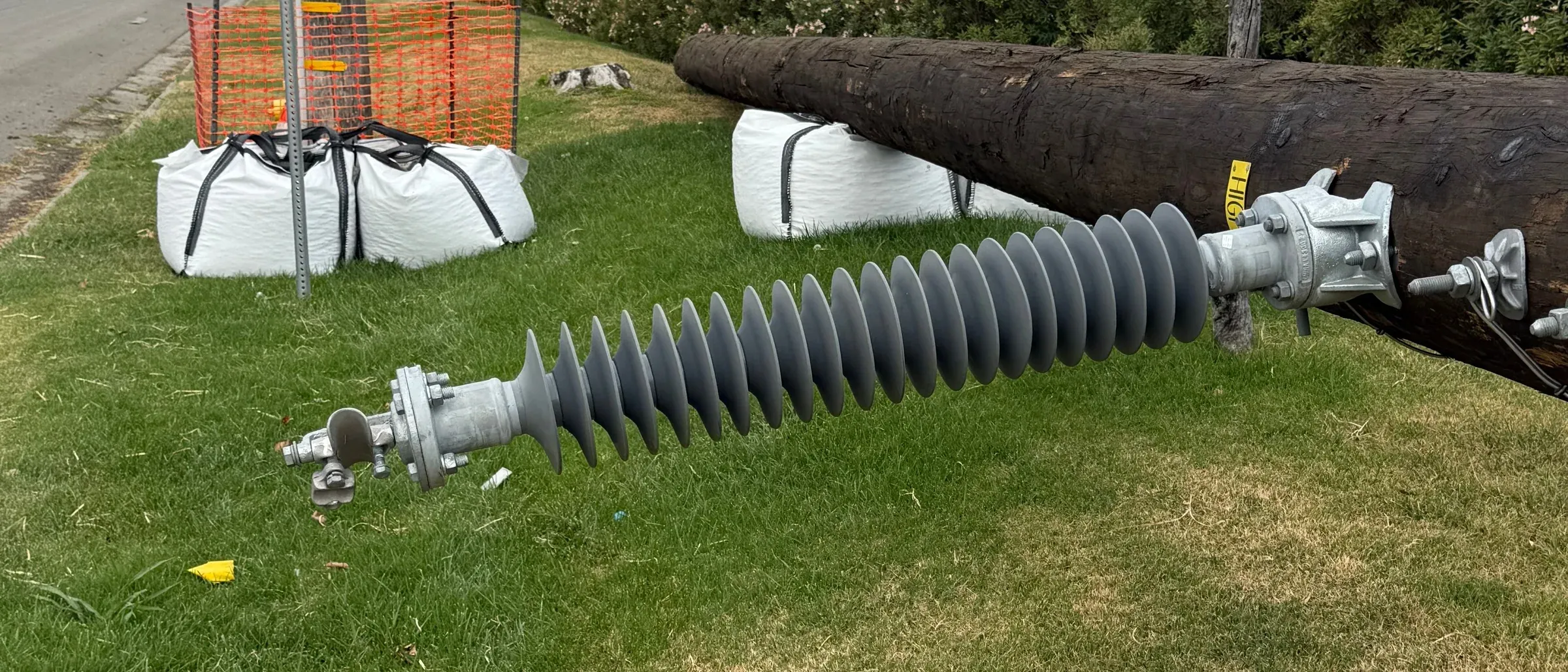
The bags this work needs
Each of these is a specification rather than a product line — the card links to the page that sets out what it is built to survive.
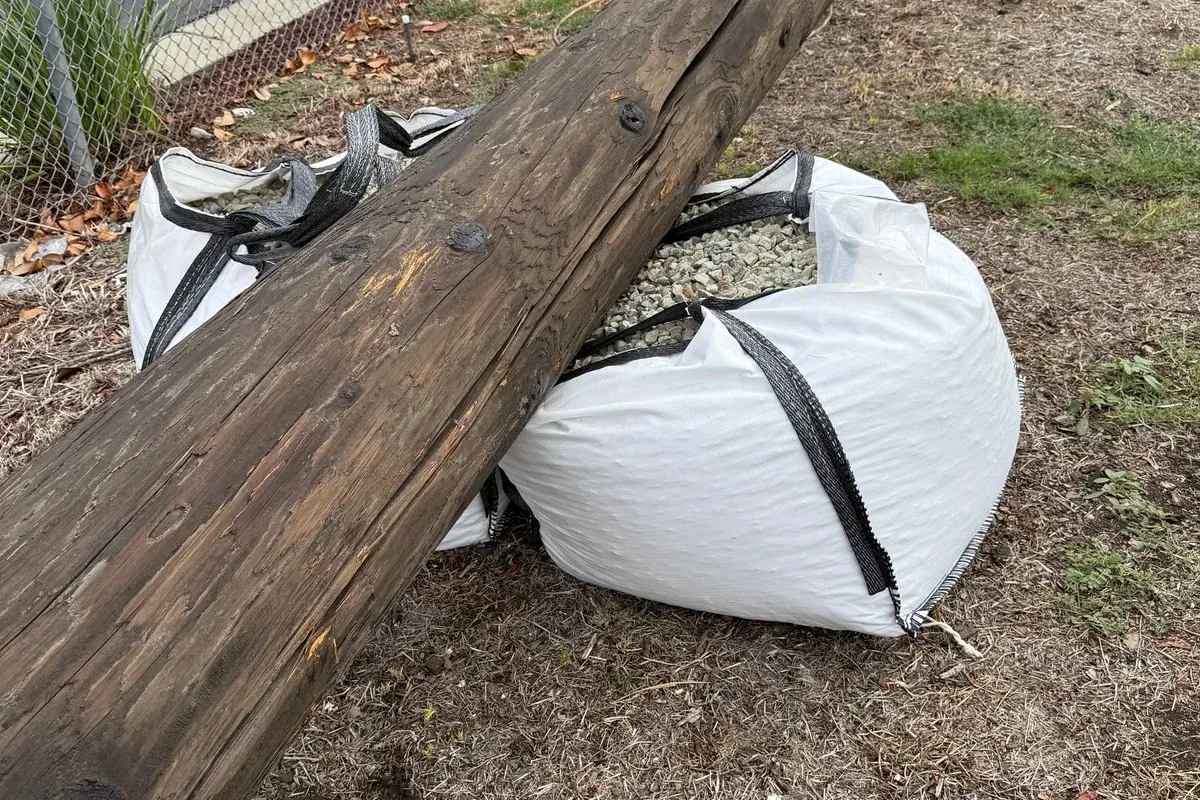
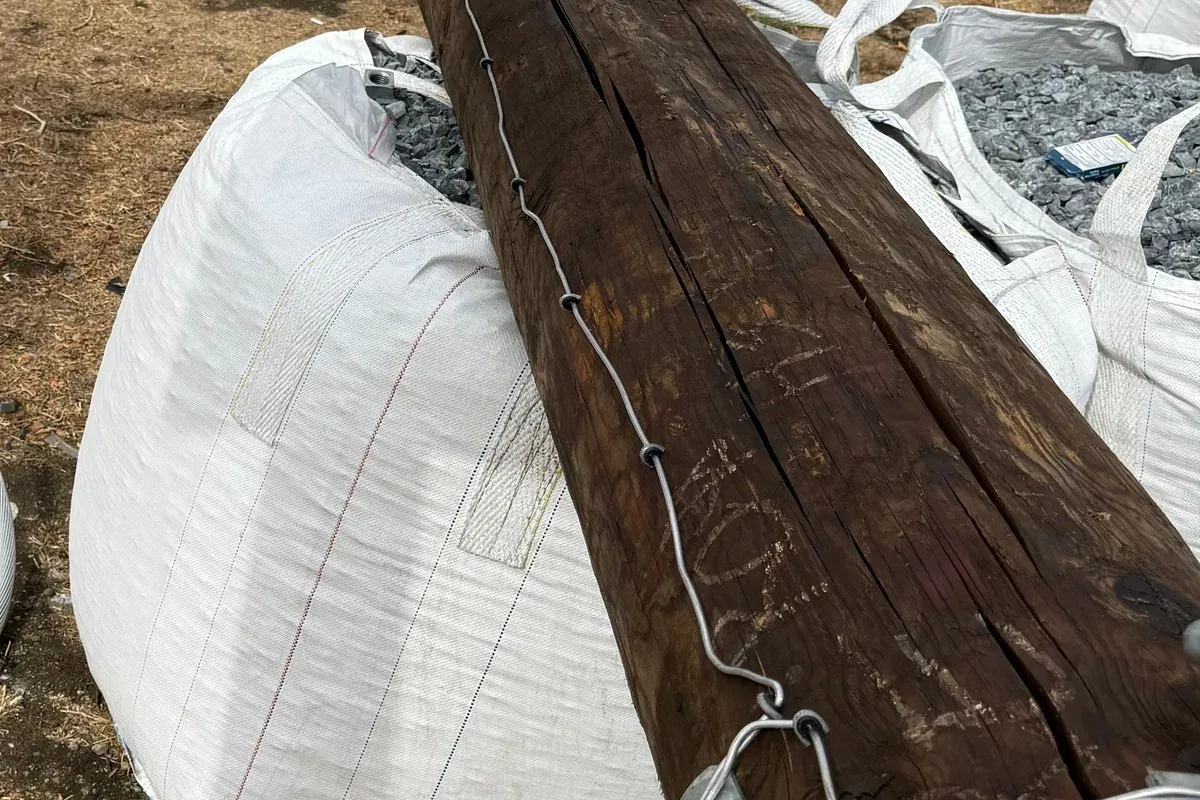
Our bags on this work
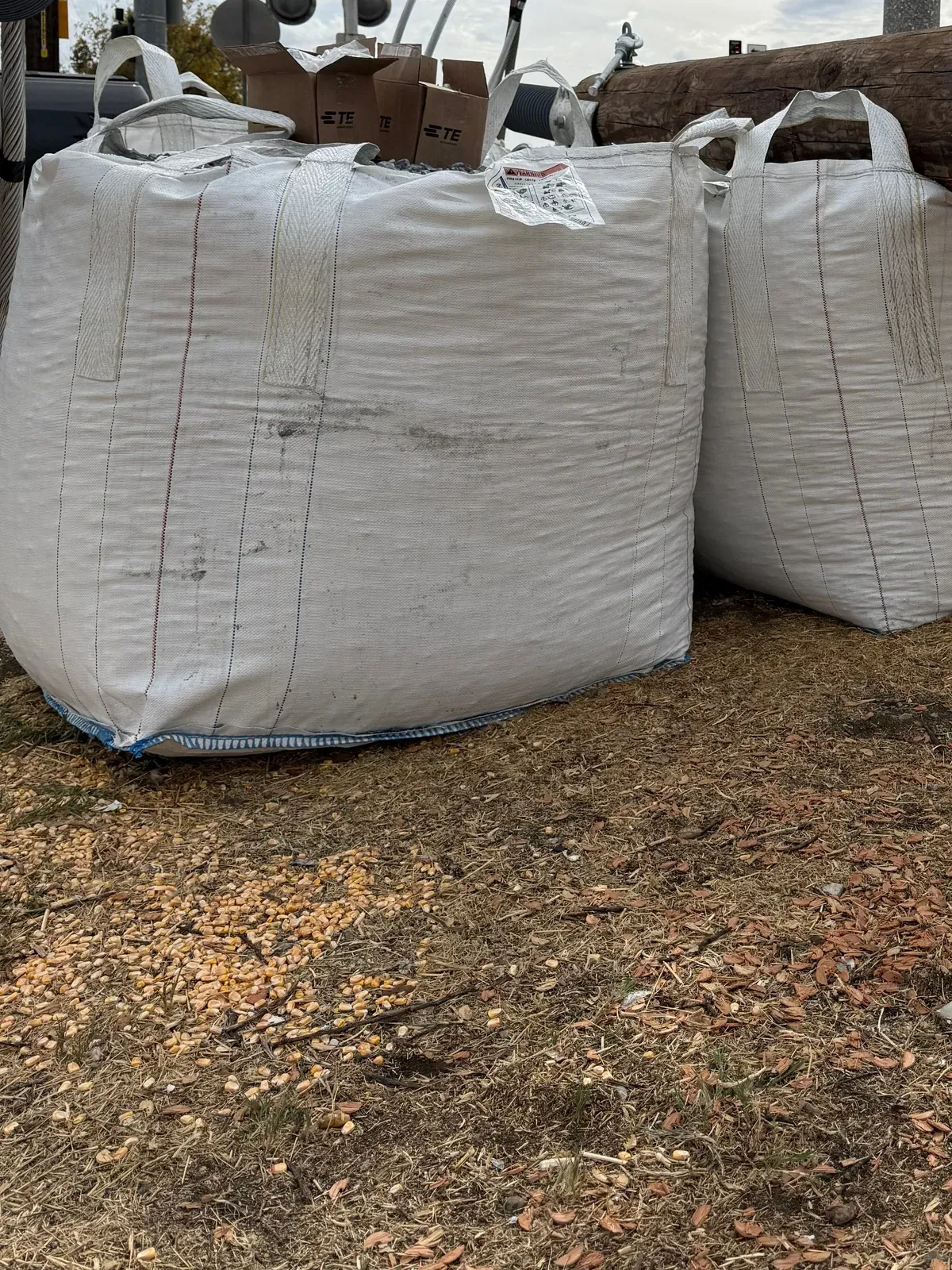
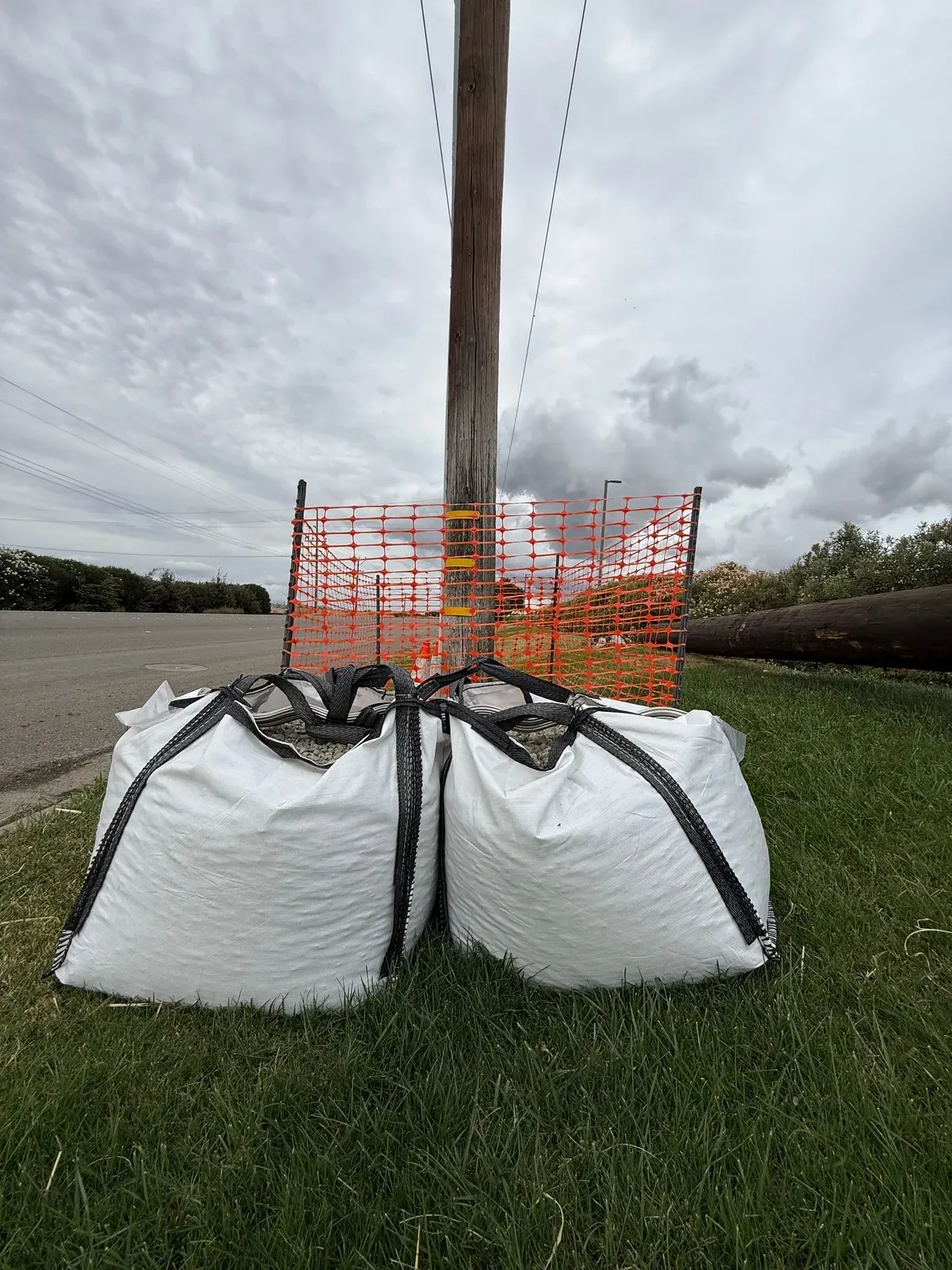
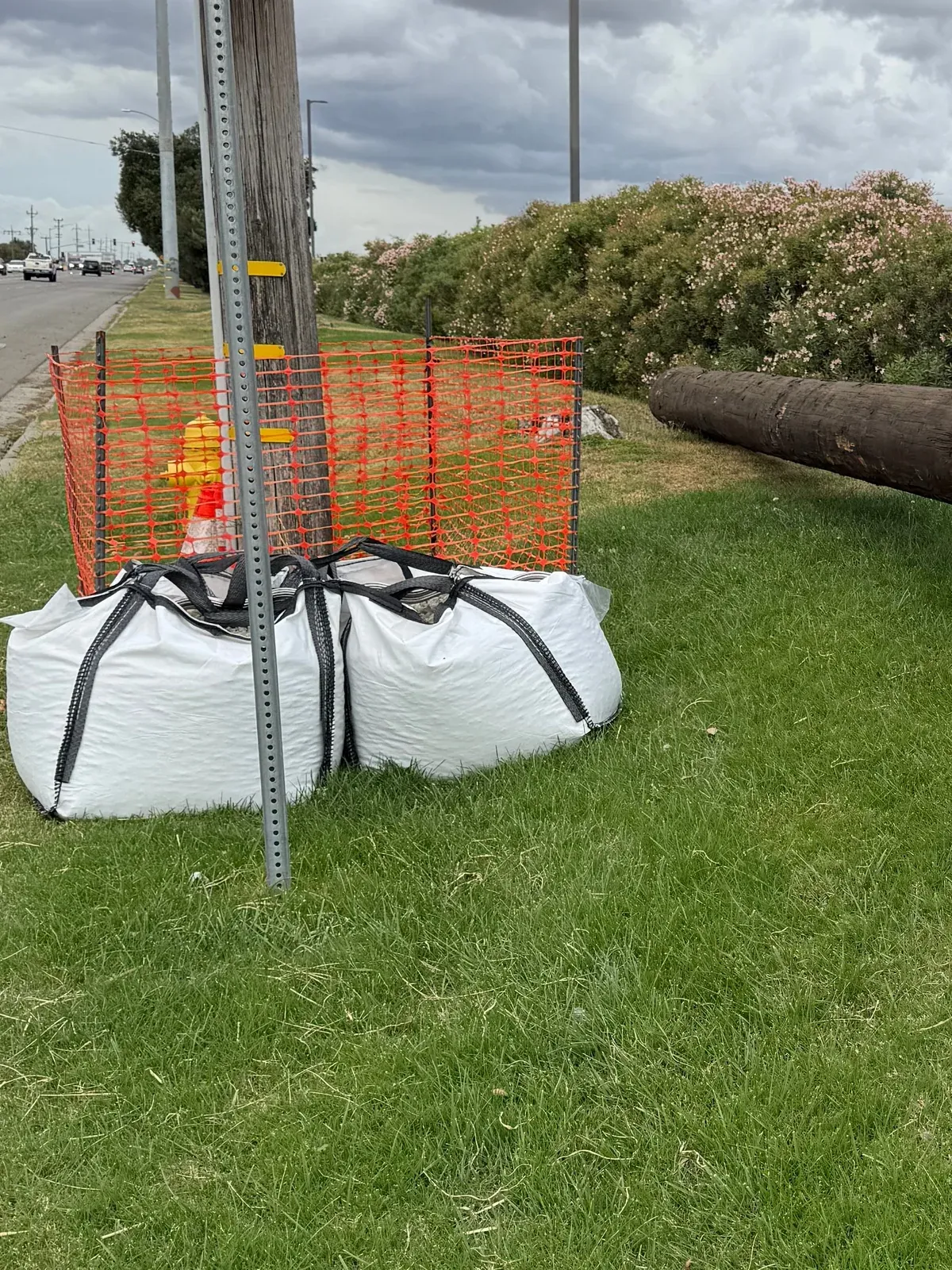
Energy Infrastructure: what buyers ask
Can you deliver to a corridor rather than a single laydown yard?
Yes, and it is worth setting up at the order stage rather than as an amendment. Corridor work means the crew moves and the material has to meet it, so we would rather know at quotation that one order is landing at three or four points on different dates than discover it when the truck is loaded. Give us the access constraints too — a pull-off that a semi cannot turn in is a delivery problem we can plan around if we know.
How long will bags survive staged outdoors before they are filled?
Untreated polypropylene starts losing tensile strength within weeks of sustained high-desert sun, and the loss is invisible until a bag fails under load. With UV inhibitor in the resin the usable window extends substantially. Since corridor material is routinely staged for a month or more before anyone fills it, we specify UV treatment as the default on this sector rather than as an option.
Do you handle outage-window deliveries?
We plan to them. An energisation date or an outage window does not move, and packaging arriving late does not delay a bag order — it idles a crew that cannot be rescheduled. Tell us the date that cannot slip when you place the order and we will work backwards from it, including telling you if the lead time does not fit.
Excavated rock and clean aggregate on the same job — one bag or two?
Two, in almost every case. Trench spoil off a corridor comes out with angular fractions in it and fails a bag by puncture; clean bedding aggregate fails one by overload. Those are different constructions, and a single compromise bag ordered for both is usually over-specified for the aggregate and still under-specified for the spoil.