Solar Infrastructure
A civil project stretched thin
Nevada’s irradiance and available land have made it one of the strongest utility-scale solar markets in the country. What that looks like on the ground is not a technology project but a civil one spread across an enormous footprint — foundations, ballast, access roads and cable trenching, repeated across every row of an array that can span thousands of acres.
That geometry is the defining constraint. There is no useful central stockpile on a site that large, so material has to be distributed to the working front and the working front moves. Delivery pattern belongs in the order rather than being handled as freight afterwards.
Sun is the variable that catches people
Solar programmes have the longest outdoor exposure of anything we supply. Bags delivered at the start of a build may not be filled for months, sitting in full desert sun the entire time.
Untreated polypropylene loses tensile strength under that exposure, and the loss is invisible until a bag fails under load. It looks identical to a new bag. On a solar programme UV treatment is not an upgrade to consider — it is the specification, and it is the cheapest line on the order relative to what it prevents.
Repetition compounds every small cost
The same handling operation repeats tens of thousands of times on a site like this, which changes how much small inefficiencies matter. A bag that is slightly awkward to pick, or sized a little below what the equipment could comfortably carry, costs seconds and a partial load every cycle. Across a full programme that is real money, and it is entirely decided at specification.
Two things follow. Size to the largest fill weight the equipment can handle comfortably rather than the smallest that is easy to move, and specify loop length and configuration to the machine that is actually lifting rather than to a default.
Ballast and aggregate are two problems
Graded foundation and bedding aggregate sizes from fill weight and fails by overload, which is what aggregate bags are specified against — and where UV treatment does most of its work on this sector. Ballast is frequently coarser and heavier, sometimes with angular fractions in it, which moves the failure mode toward puncture and into rock bag territory: tighter weave, upgraded seams.
Where both are on the job, two specifications generally beat one bag asked to cover the range. The full product range shows where that boundary sits.
Part of the same buildout
Utility-scale generation does not arrive on its own. The transmission needed to carry it is built alongside, often for the same developer, and the load at the other end is increasingly data center capacity. The material handling problem is recognisably the same across these sectors, which is why it is usually worth one specification conversation rather than three.
Getting a number
Send the aggregate types, the fill weights, what is lifting, and the delivery sequence across the site. Request a quote with those and we can price it including the distribution pattern. If the site logistics are the complicated part, get in touch and we will plan it with you.
The constraints that govern this work
Work spread across huge sites
A utility-scale array can span thousands of acres, so material has to be distributed across the site rather than staged in one place.
Ballast and foundation material at volume
Ballasted and pile-supported systems both consume large quantities of aggregate, repeated across every row.
Extended outdoor exposure
Material and packaging sit in full desert sun for the duration of a long construction programme.
Highly repetitive operations
The same handling operation repeats tens of thousands of times, so small inefficiencies compound into real cost.
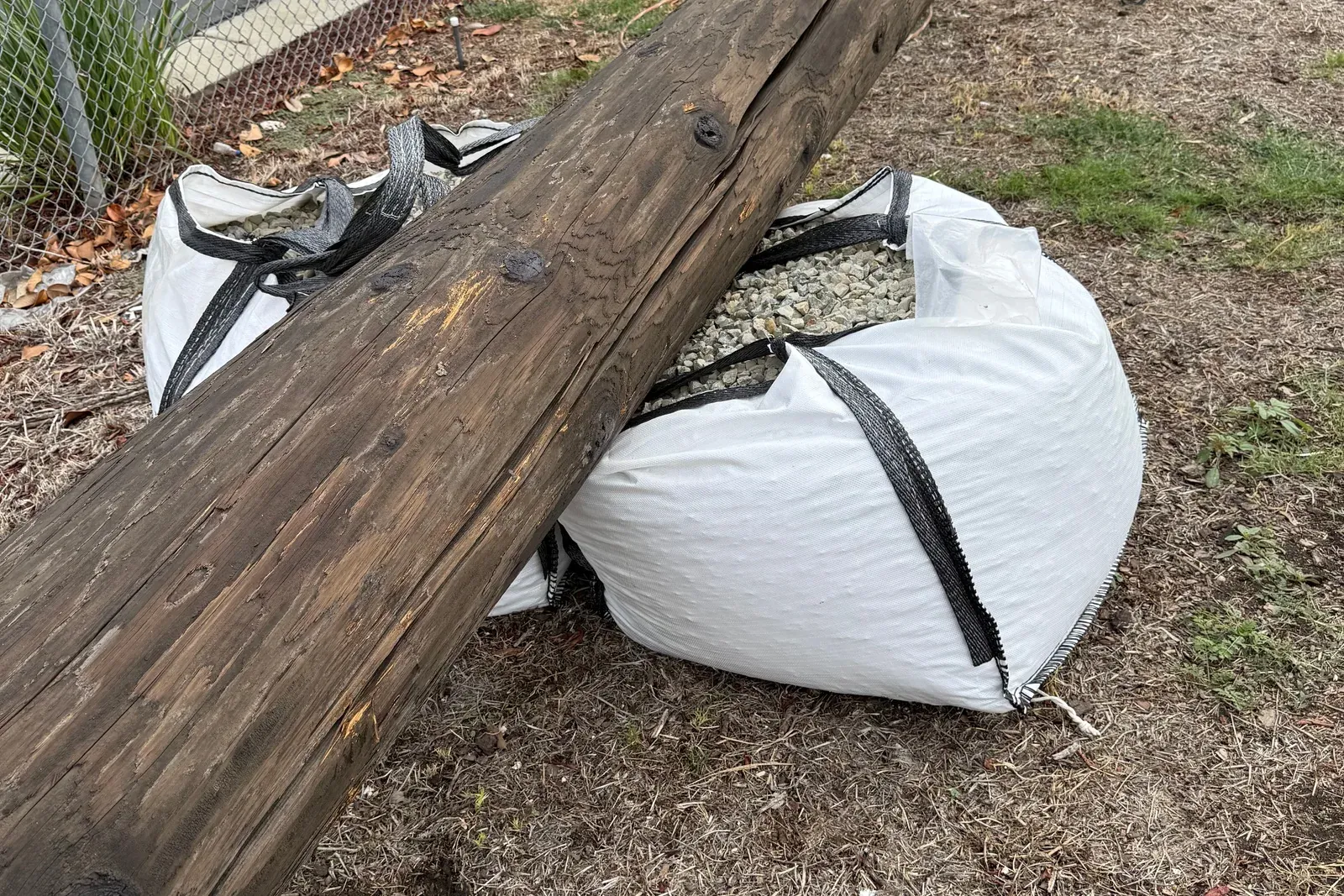
The bags this work needs
Each of these is a specification rather than a product line — the card links to the page that sets out what it is built to survive.
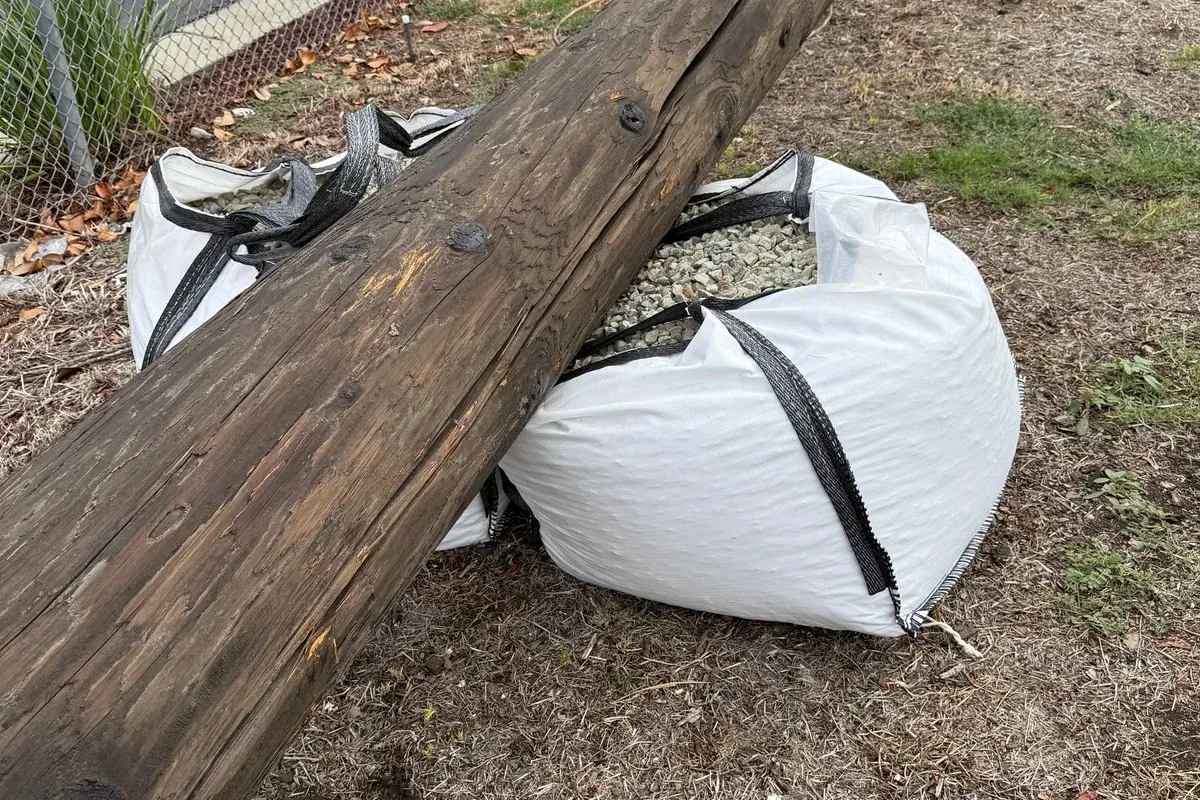
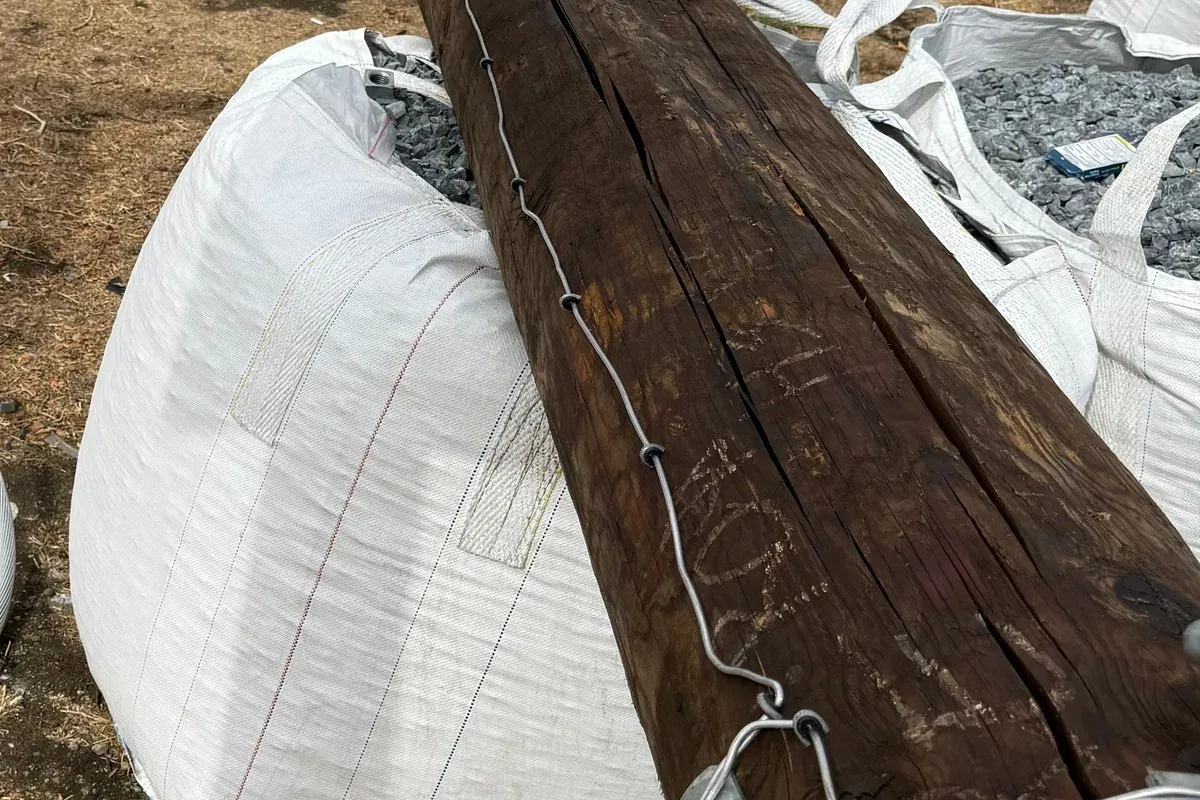
Solar Infrastructure: what buyers ask
Why is UV treatment not optional on a solar site?
Because solar programmes have the longest outdoor exposure of anything we supply. Bags delivered at the start of a build may not be filled for months, sitting in full desert sun the whole time. Untreated polypropylene loses tensile strength under that exposure and the loss is invisible — the bag looks new and fails under a load it would have carried on delivery. On this sector UV inhibitor is the specification, not an upgrade.
How do we get material distributed across a site this large?
By planning the delivery pattern into the order rather than treating it as freight. An array spanning thousands of acres cannot work from one central stockpile, so bags need to land at multiple points, on dates that follow the construction front. Tell us the sequence and the site access and we will quote against that instead of a single drop.
The same handling operation repeats tens of thousands of times. Does bag choice matter that much?
More than anywhere else, because everything compounds. A bag that is slightly awkward to pick, or sized slightly below what the equipment could carry, costs a few seconds and a partial load every single cycle. Over a programme of that repetition it is real money. It is worth sizing to the largest fill your equipment can handle comfortably and specifying loops to the machine that is actually lifting.
Is ballast a different bag from foundation aggregate?
Often, yes. Graded foundation and bedding aggregate is a density problem and sizes from fill weight. Ballast is frequently coarser and heavier, sometimes with angular fractions, which shifts the failure mode toward puncture. If both are on the job it is usually worth two specifications rather than one bag asked to do both.